
Launch Your Prop Trading Firm
With Confidence
Expert guides on starting, building, and scaling a proprietary trading firm or forex brokerage. Over 33+ in-depth articles to help you succeed.
Explore by Category
Everything you need to build a successful trading business
How It Works
Your roadmap to building a successful prop trading firm

Choose Your Path
Browse our expert guides on starting a prop firm or forex brokerage — tailored to your experience level.

Build Your Firm
Follow step-by-step instructions on legal setup, technology, capital requirements, and team building.

Scale & Succeed
Learn proven strategies to grow your trading operation, attract funded traders, and maximize profitability.
Everything You Need to Succeed
From legal compliance to trader recruitment — we cover it all

Navigate regulatory requirements and licensing for your trading firm.

Select the right trading platforms, risk management tools, and infrastructure.

Understand funding models, drawdown rules, and profit-sharing arrangements.

Implement robust risk controls to protect your firm and traders.

Build evaluation programs to attract and retain top-performing traders.

Access forex, commodities, indices, and crypto markets for your traders.
Understanding Proprietary Trading Firms

Active trading environment at a modern proprietary trading firm
Proprietary trading firms, commonly known as prop firms, are specialized financial organizations that trade stocks, commodities, forex, or other financial instruments using their own capital. Unlike investment firms that manage client funds, prop firms employ professional traders who operate with the firm's assets aiming to generate profits through strategic trading activities.
These firms serve a critical role in the financial markets by providing liquidity and taking advantage of market inefficiencies. They often utilize advanced technology, proprietary algorithms, and high-speed trading systems to execute trades with precision and speed. The primary objective of a prop firm is profit generation, making it essential for traders and managers to have a deep understanding of market mechanisms, risk management, and trading strategies.
Prop firms differ fundamentally from hedge funds and investment banks — they trade exclusively with the firm's own capital, not client assets, which creates a unique risk/reward dynamic for both the firm and its traders.
One of the distinguishing features of prop trading firms is their operational model, which involves risk-sharing between the firm and its traders. Traders typically receive a share of the profits they generate while the firm manages the overarching risk exposure. This setup incentivizes traders to perform at their best and continually refine their skills.
Proprietary trading firms provide traders with capital, access to advanced trading platforms, and risk management tools, allowing traders to focus solely on executing strategies without the burden of personal capital risk.
— Industry Standard FrameworkMany successful prop firms establish a structured environment that balances risk management, technological infrastructure, and trader development. This approach not only enhances profitability but also fosters a professional trading culture. Building a prop firm requires comprehensive planning, sound operational frameworks, and adherence to performance standards that ensure long-term sustainability in volatile markets.
Researching the Prop Firm Industry

Before venturing into starting a prop firm, comprehensive industry research is vital. This involves understanding current market trends, the landscape of existing firms, and the specific niches that are under-explored. Industry reports, online resources, and industry-specific forums serve as valuable sources of information, providing insights into operational models, trading technologies, and regulatory environments.
It is also important to evaluate the competitive landscape, including the kinds of trading strategies employed and the structures of profit sharing. Connecting with experienced traders and industry experts can provide practical perspectives and help identify potential challenges and opportunities.
Furthermore, understanding the financial requirements, startup costs, and ongoing expenses such as technology infrastructure, compliance, and staff salaries are essential for realistic planning and resource allocation.
Market Trends to Address
- Growth in algorithmic and high-frequency trading
- Increasing reliance on sophisticated risk management systems
- Expanding use of cloud-based trading infrastructure
- Demand for transparency and compliance in trading activities
- Integration of AI and machine learning in trading strategies
Attend industry conferences like TradeTech and FIA Expo to connect with established prop firm operators. These events offer unparalleled networking opportunities and firsthand insight into operational best practices.
Key Industry Players
Studying leading prop firms offers valuable insights into operational excellence, technological infrastructure, and compliance standards. Recognizing their core strengths and weaknesses can guide the development of strategies that differentiate your firm and establish credibility in the marketplace.
Building a comprehensive understanding of the prop firm industry begins with studying the key players and their operational models. Several established firms have set industry standards through their proprietary trading methods, risk management practices, and technology adoption. Additionally, exploring multiple market segments enables you to identify potential areas of specialization, such as equities, commodities, or forex, which could provide a competitive edge.
Assessing Market and Regulatory Environment
Given the complexity of financial markets, understanding the regulatory landscape is integral to operating a compliant and efficient prop firm. Different jurisdictions have specific licensing requirements, operational restrictions, and reporting obligations that influence how a prop firm functions. Evaluating these factors helps you design a viable operational plan that adheres to local and international standards.
Staying current with licensing protocols, transaction reporting rules, and compliance procedures ensures smooth operations and helps avoid costly penalties or disruptions. Collaborating with legal and compliance experts during the research phase allows for a clearer understanding of obligations, allowing you to craft a detailed compliance framework aligned with industry best practices.
Developing a Business Plan

A well-structured business plan is the cornerstone of every successful prop trading firm
A well-structured business plan forms the foundation for establishing a profitable prop trading operation. This document should outline the firm's mission, strategic objectives, target markets, and operational procedures. A comprehensive business plan acts as a roadmap for your prop firm's growth and operational efficiency.
The plan also covers staffing strategies, including trader recruitment, onboarding processes, and ongoing training. By clearly defining risk appetite, profit targets, and compliance standards, the business plan acts as a roadmap for daily operations and long-term growth.
Strategic Components of a Prop Firm Business Plan
- Trading strategy development and risk management protocols
- Organizational structure and management roles
- Financial projections and funding requirements
- Technology and infrastructure development plan
- Staffing and trader recruitment strategies
- Organizational roles, including traders, analysts, and support staff
- Financial targets, funding needs, and profit-sharing models
- Operational procedures and compliance measures
Having a comprehensive business plan not only guides daily operations but also demonstrates preparedness when seeking funding or potential partnerships with institutional investors.
— Trading Industry Best PracticesFinancial Planning Is Critical
Financial planning is a core component. This includes projecting startup costs, ongoing expenses, profit margins, and potential funding sources. Incorporating contingency plans for market fluctuations and operational challenges helps establish resilience.
The business plan also serves as a critical tool when approaching investors or partners, demonstrating a clear strategy for profitability and growth. Investors want to see realistic financial forecasts, not overly optimistic projections.
Prop Firm Business Models Compared
| Model Type | Capital Source | Profit Split | Risk Level | Ideal For |
|---|---|---|---|---|
| Self-Funded | Personal capital | 100% | High | Experienced traders |
| Angel-Backed | Private investors | 50–70% | Medium | Early-stage firms |
| Institutional | Trading fund / bank | 30–50% | Low-Medium | Established operators |
| Funded Trader Model | Firm capital to traders | 60–90% to traders | Managed | Scalable growth firms |
| Hybrid | Mixed sources | Variable | Variable | Diversified operations |
Securing Funding for a Prop Firm

Establishing adequate capital is crucial for any prop trading operation. Funding sources can include personal savings, angel investors, venture capital, or institutional investors. When approaching potential investors, the business plan and financial projections become instrumental in convincing them of the firm's profit potential and risk mitigation strategies.
Acquiring sufficient capital investment is a fundamental step in establishing a profitable proprietary trading firm. This process involves identifying reliable sources of funding, presenting a compelling business proposition, and establishing agreements that align with your firm's strategic vision.
It is advisable to explore multiple funding channels and have contingency plans in place. Proper financial management and transparency foster trust with investors and financial partners. Typically, initial funding can originate from personal savings, angel investors, or partnership arrangements with seasoned traders willing to invest their capital in exchange for a share of the profits.
Funding Approaches
- Personal capital or bootstrap funding
- Angel investors with an interest in trading technology
- Venture capital aimed at innovative trading solutions
- Partnerships with institutional investors or trading funds
- Strategic alliances with established trading firms or financial institutions
Always use formal channels for all financial engagements. Draft comprehensive legal agreements, involve financial advisors, and verify the reputation of funding sources. Shortcuts in due diligence can expose your firm to disputes, fraud, or regulatory violations.
When seeking external funding, it's critical to develop a detailed financial forecast that outlines projected trading activity, risk management protocols, and expected returns. Demonstrating a well-thought-out plan with strong risk controls reassures investors of the viability of your business model. Transparency about your trading strategies, technology setup, and risk mitigation techniques enhances credibility and builds trust.
Consolidating resources from multiple funding sources can diversify risk and provide a robust financial buffer, enabling the firm to withstand challenging market conditions and capitalize on growth opportunities.
— Prop Firm Capital Strategy GuideContingency planning for alternate capital sources ensures sustained growth despite market or funding environment changes. Engaging with reputable financial advisors can help structure funding agreements that protect your interests while maintaining an attractive proposition for investors.
Legal Setup & Regulatory Compliance

Proper legal structure and regulatory compliance are non-negotiable foundations for prop firm operations
Establishing a legal entity is the foundation for legitimate operations. Common structures include LLCs, corporations, or partnerships, which offer liability protection and clarity in ownership. It is imperative to register your business with the appropriate authorities and obtain any necessary licenses or permits beforehand.
Compliance with financial regulations and trading standards involves adhering to anti-money laundering protocols, record-keeping requirements, and trading activity disclosures. Keeping detailed documentation and conducting periodic internal audits promote transparency and help avoid potential issues down the line.
Leverage legal counsel with experience in financial markets. Specialist attorneys can guide you through complex compliance landscapes and ensure that your operations adhere to best practices across all jurisdictions you operate in.
Key Compliance Areas
- Anti-money laundering (AML) protocols and Know Your Customer (KYC) verification
- Record-keeping requirements and audit trails for all trades
- Trading activity disclosures and transaction reporting
- Licensing requirements by jurisdiction (FCA, SEC, CFTC, ASIC, etc.)
- Periodic internal and external compliance audits
Staying current with licensing protocols, transaction reporting rules, and compliance procedures ensures smooth operations and helps avoid costly penalties or disruptions. Different jurisdictions have specific licensing requirements, operational restrictions, and reporting obligations that influence how a prop firm functions.
Building a Trading Infrastructure

Reliable and scalable trading infrastructure is vital for executing strategies efficiently and managing risks effectively. This includes selecting advanced trading platforms capable of supporting high-frequency trading or algorithmic executions, as well as securing high-quality data feeds for real-time market analysis.
Investing in robust technology infrastructure is crucial. A reliable trading platform supports fast execution, real-time data feeds, and seamless connectivity. Additionally, cybersecurity measures such as encryption, firewalls, and intrusion detection systems protect sensitive information and prevent unauthorized access, ensuring operational integrity and data protection.
Technical infrastructure should also encompass risk management systems that monitor trading limits, margin requirements, and compliance metrics seamlessly. The physical or virtual office environment must support secure communications, data storage, and backup protocols to prevent disruptions.
Core Infrastructure Components
- Advanced trading platforms (MetaTrader, proprietary systems, API-based solutions)
- High-quality, low-latency market data feeds
- Risk management systems with real-time monitoring and auto-alerts
- Cybersecurity: encryption, firewalls, intrusion detection systems
- Co-location services for ultra-low latency execution
- Backup and disaster recovery protocols
Investing in robust technology reduces latency and enhances operational resilience. A difference of milliseconds in execution speed can mean the difference between profit and loss in high-frequency trading environments.
Training and Support Systems
Supporting traders through comprehensive training programs enhances their skills and aligns their strategies with the firm's risk appetite. Ongoing education, technical support, and access to analytics tools empower traders to make informed decisions. Developing a mentorship or coaching system can further accelerate the learning curve and foster a disciplined trading environment.
Implementing Risk Management Systems
Effective risk management is paramount in prop trading. This involves setting predefined trading limits, real-time monitoring systems, and automated alerts to prevent excessive losses. Risk controls should be integrated into the trading platform to automatically pause or restrict trades that exceed established thresholds, thus protecting the firm's capital without hindering traders' agility under normal conditions.
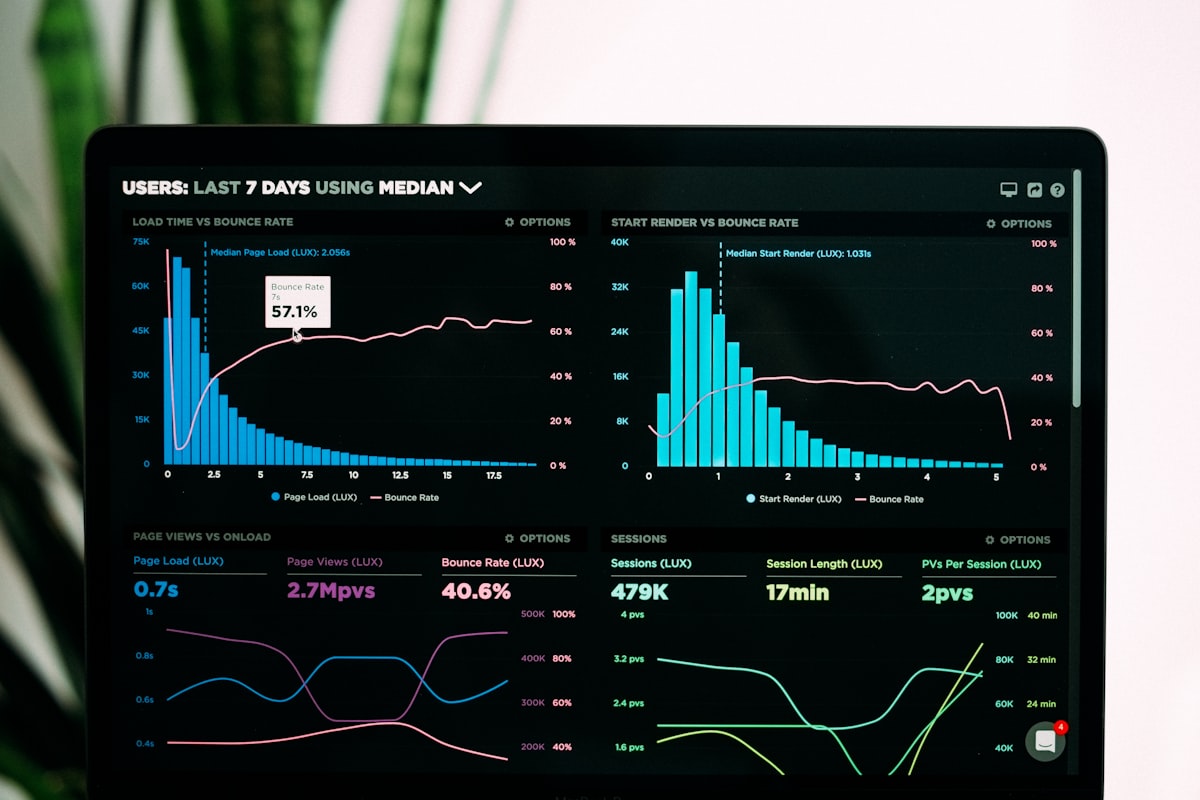
Advanced analytics platforms provide comprehensive insights into trading activity, profitability, and risk exposure
Launching and Growing the Prop Firm

Once foundational aspects such as legal setup, trading infrastructure, and trader recruitment are firmly in place, the next phase involves launching operations and systematically expanding the firm's footprint in the market. This phase requires strategic planning, rigorous performance monitoring, and proactive management to ensure sustainable growth while maintaining risk controls.
Beginning trading activities should focus on validating your firm's trading strategies, testing infrastructure stability, and establishing operational workflows. It is advisable to start with a limited capital base, closely monitor outcomes, and refine strategies based on real-time data. During this period, strict adherence to risk management protocols is essential to prevent unnecessary losses that can impact the firm's long-term viability.
Furthermore, establishing a clear communication channel with your trading team and setting performance benchmarks will facilitate the identification of strengths and areas for improvement.
Performance Monitoring and Analysis
Effective performance tracking involves implementing advanced analytics platforms that provide comprehensive insights into trading activity, profitability, and risk exposure. Regular review sessions should be scheduled to analyze trade outcomes, evaluate the effectiveness of trading algorithms, and assess trader performance. Data-driven decision-making helps optimize strategies, manage risk better, and allocate resources more efficiently.
Continuous oversight of trading activities and operational procedures ensures compliance with established standards. Regular audits, performance reviews, and feedback sessions help identify areas for improvement and refine your competitive strategy.
Scaling Operations
As your firm demonstrates consistent profitability and risk compliance, scaling operations becomes a viable option. This involves increasing trading capital, expanding the trader team, or diversifying trading strategies across different asset classes. Each step should be supported by infrastructure upgrades, such as enhanced data feeds, higher bandwidth, and more sophisticated trading software to handle increased volume and complexity.
At this stage, establishing strategic partnerships with brokers, technology vendors, and data providers can streamline operations and reduce costs. Additionally, creating a strong brand presence through professionalism and transparency attracts more talented traders and potential investors, supporting the firm's reputation and growth trajectory.
Marketing and Business Development
While proprietary firms predominantly focus on trading activities, establishing a visibility strategy can attract talented traders and potential funding opportunities. Engaging in industry conferences, professional networks, and trading communities increases the firm's profile and opens avenues for strategic partnerships.
A strategic approach rooted in market insights, risk discipline, and technological innovation provides a robust foundation for a prop trading firm. By continually refining strategies to reflect market dynamics, the firm positions itself for sustainable growth and competitive resilience.
— Prop Firm Growth FrameworkMaintaining Compliance and Risk Controls
Ongoing vigilance in compliance and risk management is vital as your firm expands. Regular audits, adherence to internal policies, and proactive updates to compliance protocols safeguard operations against potential disruptions. Investing in continuous training for your team ensures everyone remains aware of the latest industry standards and operational best practices.
Implementing automated risk management tools can provide real-time alerts for unusual trading activity, margin violations, or compliance breaches. Such systems help in swiftly addressing issues before they escalate, maintaining the stability of your prop firm in dynamic market conditions.
