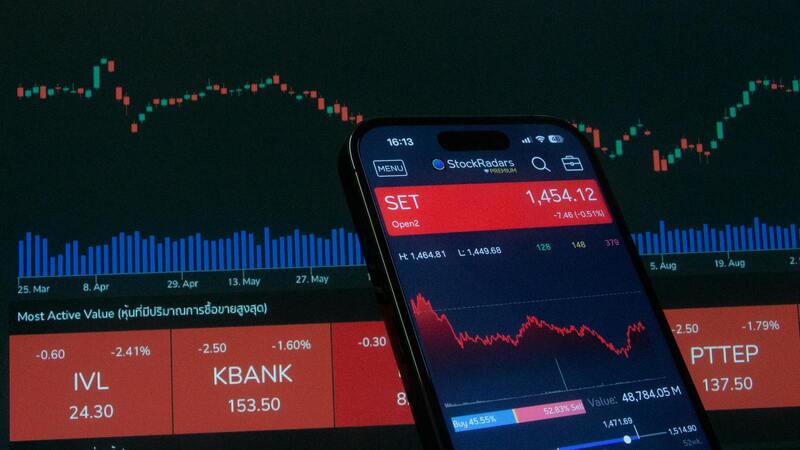
Understanding Proprietary Trading and the Industry
Proprietary trading, commonly referred to as prop trading, involves financial firms or individuals trading financial instruments with their own funds, aiming to generate profits from market activities. Unlike clients' assets handled by brokerage firms, prop traders operate with capital allocated specifically for trading purposes, allowing for direct control over investment decisions and strategies.
This activity is an integral part of the broader financial ecosystem, providing liquidity, facilitating price discovery, and contributing to market efficiency. Proprietary trading firms often employ advanced trading strategies, leveraging sophisticated technology, quantitative analysis, and high-speed execution platforms to stay competitive.
Financial markets differentiate between proprietary trading firms and open trading companies. The latter primarily act as intermediaries, executing trades for clients and earning commissions or fees. In contrast, prop trading firms assume the market risk themselves in pursuit of profit, often employing a team of experienced traders, quantitative analysts, and technologists to maximize their trading outcomes.

Success in prop trading depends on a combination of technical skill, market knowledge, disciplined risk management, and cutting-edge infrastructure. Traders operate within clearly defined frameworks, aiming to generate consistent returns while managing exposure to market volatility. The competitive nature of the industry encourages innovation and continuous improvement of trading strategies and technological tools.

In summary, proprietary trading is a vital part of financial markets that demands expertise, strategic planning, and infrastructure investment. Aspiring traders or firms looking to enter this industry must understand its mechanisms, competitive environment, and the importance of disciplined execution to succeed.
Prerequisites for Starting Prop Trading
Embarking on a proprietary trading journey requires a comprehensive set of prerequisites to ensure a strong foundation for success. First and foremost, sufficient trading capital is essential. This capital serves as the initial fund to execute trades and manage risk exposure. The amount varies depending on the trading style and targeted markets but typically ranges from tens of thousands to millions of dollars for institutional-level operations.
Beyond capital, a trader must possess a solid understanding of financial markets, including knowledge of technical and fundamental analysis. Proficiency in reading charts, interpreting indicators, and staying informed about economic indicators and geopolitical events is critical. Skilled traders leverage this knowledge to identify high-probability setups and optimize trade entries and exits.
Equally important are technical skills related to trading platforms, order management systems, and programming languages such as Python, C++, or R, which enable the development of automated strategies. Familiarity with algorithmic trading can provide an edge by executing high-speed trades that capitalize on fleeting market opportunities.
Successful prop traders invest heavily in technology infrastructure. High-performance computers, low-latency internet connections, and reliable trading platforms are indispensable. Many traders also utilize custom-designed software, backtesting tools, and data feeds to refine their strategies and validate their effectiveness before deploying capital in live markets.

Furthermore, disciplined risk management protocols are vital. Traders need to establish clear rules for position sizing, stop-loss and take-profit levels, and overall portfolio exposure. Maintaining emotional control and adhering strictly to risk parameters help prevent catastrophic losses and sustain long-term profitability.
Lastly, legal and compliance knowledge plays a role in ensuring all trading activities are within regulatory boundaries. While direct legal compliance may be handled by the firm or legal advisors, understanding the regulatory environment assists traders in making informed decisions and avoiding inadvertent violations that could jeopardize their trading careers.
Key Skills and Equipment Needed for Prop Trading
- Financial Market Knowledge: Market mechanics, economic indicators, and geopolitical impacts.
- Technical Analysis: Chart reading, indicator interpretation, and pattern recognition.
- Quantitative Skills: Programming, backtesting, and automated strategy development.
- Trading Platforms: Proficiency with MetaTrader, NinjaTrader, TradingView, or proprietary platforms.
- High-Performance Hardware: Fast processors, multiple monitors, and low-latency internet connectivity.
- Risk Management Tools: Position sizing calculators, alert systems, and stress testing software.
- Data Feeds: Real-time market data and news services to stay ahead of market moves.

By fulfilling these prerequisites, aspiring prop traders set a firm groundwork that combines knowledge, technology, and risk control—elements essential for navigating the highly competitive landscape of proprietary trading.
Understanding Proprietary Trading and the Industry
Proprietary trading, often referred to as prop trading, involves financial firms or traders using their own capital to participate in market transactions. Unlike traditional brokers or asset managers who handle clients’ funds for a fee, prop traders operate with the firm's money, aiming to generate profits primarily through short-term trading strategies. This model allows traders to leverage the firm's financial resources to maximize potential gains but also involves significant risk management to safeguard capital.
Prop trading firms are typically characterized by their agility and focus on employing diverse strategies across multiple asset classes, including equities, commodities, forex, and derivatives. Successful traders within these firms are often deeply skilled in market analysis, technical tools, and automated trading systems, enabling them to identify and capitalize on rapid market movements.
The industry has evolved with technological advancements, making algorithmic and high-frequency trading increasingly dominant. These developments necessitate traders to be proficient not only in market fundamentals but also in programming, data analysis, and system optimization.

Requirements to Start Prop Trading
Initiating a career or establishing a business in proprietary trading demands a comprehensive set of prerequisites. Aspiring traders must possess a solid foundation in financial markets, including understanding market mechanics, economic influences, and geopolitical events that trigger market volatility. Technical analysis skills are essential for interpreting charts, identifying patterns, and executing timely trades.
Proficiency in programming languages such as Python or C++ can significantly enhance the ability to develop and backtest automated strategies, which are vital in high-frequency trading environments. Access to reliable, high-performance hardware—such as fast processors, multiple monitors, and low-latency internet connections—is crucial for staying competitive.
Financial knowledge alone isn't sufficient; traders must also be adept at managing risks through tools and discipline. Position sizing calculators, stop-loss orders, and stress testing software help control potential losses and optimize portfolio performance.
For those considering legitimacy and operational readiness, understanding the regulatory landscape and compliance standards ensures all activities are conducted within established guidelines. Although the application process varies, having an organized plan for capital sourcing, trading objectives, and management structures is fundamental.

Choosing a Prop Trading Model
When venturing into proprietary trading, selecting the appropriate operational model is a critical step that shapes the entire business structure and trading approach. Each model offers distinct advantages suited to specific trader profiles and market strategies. Understanding these options helps traders align their resources and objectives effectively.
Proprietary Trading Desks
Dedicated trading desks operated within large financial institutions or hedge funds typically involve a team of seasoned traders managing the firm's capital. These environments offer extensive resources, advanced technology, and comprehensive risk management systems. Traders benefit from institutional support in research, technology, and compliance, but often require competitive experience and proven performance records to gain access.
Funding Programs
Funding programs are designed for traders who demonstrate consistent profitability and risk management skills. These programs provide traders with capital, usually after a stringent evaluation process, enabling them to trade larger amounts without risking personal funds. They often include profit-sharing arrangements and performance-based evaluations. Such models lower the barrier to entry, making high-level trading more accessible for emerging traders with proven strategies.
Open Trading Firms
Open trading firms operate with a flexible structure where individual traders or teams can trade using the firm's capital and tools. These firms typically offer competitions or evaluations that serve as a gateway for traders to showcase their abilities. The collaborative environment fosters the sharing of ideas and strategies, which can accelerate skill development and trading performance.
Advantages and Disadvantages of Each Model
- Proprietary Trading Desks: Offer comprehensive support and stability but require significant experience and credentials.
- Funding Programs: Reduce initial capital requirements, allowing traders to scale quickly, though they often involve strict performance metrics and restrictions.
- Open Trading Firms: Provide flexibility and community support but may lack the extensive resources of larger institutions.

Aligning Model Choice with Skills and Goals
Choosing a suitable model depends largely on a trader's experience level, capital requirements, and risk appetite. Novice traders might benefit from funding programs or open trading firms that offer mentorship and evaluation criteria, while seasoned traders seeking extensive resources may prefer employment within proprietary trading desks. Matching the right model to individual strengths enhances long-term success and growth in the competitive landscape of prop trading.
Legal and Regulatory Aspects of Proprietary Trading
Engaging in proprietary trading involves navigating a complex landscape of legal and regulatory frameworks designed to ensure transparency, fairness, and financial stability within the industry. Understanding these parameters is crucial for establishing and maintaining a compliant and sustainable trading operation.
Regulatory Bodies and Their Oversight
Numerous regulatory agencies oversee proprietary trading activities, establishing rules that govern capital requirements, trading practices, and reporting standards. These agencies often work in conjunction with financial authorities to oversee market integrity and protect investors. Familiarity with these regulatory bodies helps traders and firms adhere to current standards and avoid regulatory infringements.
Registration and Licensing
To start prop trading, it is essential for firms to secure the necessary licenses and registrations. These credentials validate the firm’s operational setup and demonstrate compliance with industry-specific criteria related to capital adequacy, ethical standards, and operational transparency. Compliance procedures typically include detailed documentation of operational processes and financial audits.
Operational Compliance
Operational compliance involves implementing policies that govern trading activities, risk management, data security, and client confidentiality. It also encompasses practices to prevent market manipulation, insider trading, and other unethical behaviors. Maintaining a record of transactions and ensuring proper audit trails are fundamental components of ongoing compliance efforts.
Data Security and Privacy
Proprietary trading firms handle sensitive financial data and client information, necessitating robust security measures. Compliance with data protection protocols helps prevent breaches and unauthorized access while maintaining trust with operational partners and clients.
Insurance and Risk Coverage
Effective risk management includes securing appropriate insurance policies to cover trading risks, theft, and operational liabilities. Proper coverage safeguards the firm’s assets and sustains operational continuity under adverse circumstances.
Global Variations and Specific Regulations
Different jurisdictions impose varying regulatory standards, which impact how proprietary trading firms operate internationally. Determining the relevant rules for specific regions ensures adherence to local laws, which can influence licensing, trading permissions, and reporting obligations.

Implementing an Effective Compliance Program
Developing and maintaining an effective compliance program involves regularly updating policies to keep pace with evolving regulations, training staff on legal standards, and conducting periodic audits. Such measures foster a culture of integrity and accountability, which are vital for long-term success in proprietary trading.
Establishing a Robust Infrastructure for Prop Trading
Building a strong foundation is essential for prop trading success. This entails selecting the right trading platforms, hardware, and connectivity to enable efficient execution of trades and real-time data analysis. Equipping the trading desk with high-performance computers, multiple monitors, and reliable internet ensures traders can respond swiftly to market movements and leverage multiple data sources concurrently.
The choice of trading software or platforms should align with the firm's trading style and strategies. Many proprietary traders prefer turnkey solutions that provide advanced charting tools, algorithmic trading capabilities, and direct market access. Integrating this software securely within the firm's network infrastructure enhances trading efficiency and minimizes latency issues.

In addition, establishing a dedicated data management system capable of handling market data, trade execution reports, and account records is vital. This system should ensure data accuracy, facilitate seamless reporting, and support compliance with operational standards. Proper data security measures, including encryption and regular backups, mitigate risks associated with data breaches or losses.
Developing a Trading Environment and Administrative Systems
A well-structured office environment promotes effective communication and collaboration among traders, risk managers, and support staff. Implementing administrative systems for order management, trade tracking, and compliance monitoring ensures a transparent and accountable trading process. These systems help in maintaining audit trails, managing regulatory documentation, and streamlining internal controls.
Implementing Risk Management Protocols
Risk management forms the backbone of sustainable prop trading operations. Establishing comprehensive protocols such as position limits, stop-loss orders, and real-time monitoring helps safeguard the firm's capital. Automated risk controls can prompt traders when predefined thresholds are approached, preventing excessive exposure during volatile market conditions.

Staffing and Training
Recruiting skilled traders with proven experience, complemented by ongoing training programs, ensures the team remains competitive. Continuous education on market developments, trading techniques, and compliance updates fosters a professional and disciplined trading environment. Emphasizing the importance of adherence to internal policies supports long-term success and stability.
Operational and Compliance Support
In addition to core trading tasks, establishing dedicated departments for compliance, accounting, and technology support safeguards operational integrity. These units oversee regulatory reporting, internal audits, and cybersecurity, ensuring the firm adheres to applicable standards and maintains a reputable standing within the trading community.
Legal and Regulatory Aspects
Establishing a proprietary trading operation involves navigating a framework of regulatory adherence and compliance standards designed to promote transparency and operational integrity. While the focus remains on legitimate procedures, understanding the core aspects of regulatory requirements helps in building a sustainable and reputable prop trading business.
Compliance with official reporting standards and industry best practices ensures that the trading operation maintains a clean record, supports effective risk management, and aligns with market conduct guidelines. This includes maintaining detailed documentation of trading activities, stewarding data security, and adhering to internal controls that promote transparency across all facets of the operation.
In terms of organizational structure, firms should implement robust systems for audit trails, ensuring that each transaction is traceable and verifiable. This includes deploying secure digital platforms for trade recording, compliance monitoring, and reporting. Additionally, regular internal audits help verify adherence to established protocols, identify potential vulnerabilities, and promote continual improvement within the firm.
Developing comprehensive policies around client accounts, trade execution, and capital management enhances operational integrity. Staff training on these policies further embeds a culture of compliance, minimizing risks associated with inadvertent errors or violations.
While regulatory frameworks vary across jurisdictions, establishing internal procedures that align with these standards forms the backbone of a professional trading environment. This proactive approach supports a resilient operation capable of adapting to evolving market regulations and technological advancements.
Technological and Security Measures
Implementing multi-layered cybersecurity protocols safeguards sensitive data and proprietary trading algorithms. Encryption, regular security audits, and access controls form critical components of this infrastructure, protecting the firm from cyber threats.
Trading technology should be robust, with real-time data feeds, automated order execution, and integrated risk controls. These tools facilitate swift decision-making, reduce manual errors, and ensure adherence to predefined trading parameters. Additionally, maintaining an up-to-date technology stack ensures compatibility with regulatory reporting tools and data integrity systems.

Finally, fostering a culture of ongoing education within the trading team around regulatory updates, industry standards, and emerging compliance requirements is vital. Regular training sessions, documentation updates, and compliance audits help in reinforcing good practices across the organization, ultimately ensuring the firm’s sustained growth and market reputation.
Building a Profitable Prop Trading Business: Scaling and Sustaining Growth
Once a proprietary trading operation has been established with consistent profitability and a disciplined risk management framework, the focus shifts toward scaling the business sustainably. Scaling involves expanding trading capacity, diversifying strategies and markets, and increasing operational efficiency to maximize returns without compromising the firm’s stability or compliance standards.
Strategic Expansion of Trading Activities
Growing a prop trading operation requires a strategic approach to identify new opportunities and markets. This includes analyzing emerging asset classes, adopting cutting-edge trading algorithms, and enhancing technological infrastructure to support increased trading volume. Diversification can reduce over-reliance on specific strategies or asset classes, thereby spreading risk and enhancing profit potential.
- Market Diversification: Exploring additional financial instruments such as commodities, forex, or crypto assets to broaden the trading portfolio.
- Strategy Innovation: Incorporating quantitative models, machine learning algorithms, or event-driven trading to discover new edge points.
- Geographical Expansion: Entering international markets to capitalize on global trading opportunities and mitigate region-specific risks.
Raising Capital for Growth
Expansion often requires additional capital infusion. This can come from internal reinvestment of profits, attracting external investors, or establishing funding partnerships with institutional financiers who share the firm’s risk appetite and technical expertise. Transparency, robust performance records, and compliance with due diligence standards are crucial when interacting with potential investors.
Leveraging Technology for Scale
Enhanced automation and data analytics capabilities facilitate larger trading volumes and quicker decision-making. Automated trading systems, real-time risk monitoring, and advanced order routing increase operational efficiency and reduce latency. Integration of cloud computing resources allows for scalable infrastructure that can adapt to expanding trading demands.

Maintaining Compliance and Operational Discipline
Growth must be managed within a well-structured compliance framework. Regular audits, comprehensive documentation of trading activities, and adherence to internal controls ensure sustainable expansion. Establishing clear policies for risk limits, trading protocols, and data security helps prevent breaches and errors during periods of rapid growth.
Talent Acquisition and Development
Attracting skilled traders, quantitative analysts, and technology specialists is vital for scaling. Providing ongoing training and fostering a collaborative environment encourages innovation and retains top talent. Leadership should prioritize developing a culture focused on disciplined trading, continuous improvement, and responsible risk-taking.
Monitoring Performance and Fine-tuning Strategies
Consistent performance evaluation is essential for sustainable growth. Employing advanced analytics to review trade outcomes, risk metrics, and strategy effectiveness guides strategic adjustments. Flexibility in strategy refinement allows the firm to adapt quickly to changing market conditions.

Expanding a prop trading enterprise demands careful planning, disciplined execution, and continuous innovation. By systematically increasing trading capacity, leveraging technological advancements, and maintaining rigorous compliance, a firm can achieve long-term profitability and resilience within the competitive landscape of proprietary trading.