Starting a Prop Trading Firm: An In-Depth Guide for Aspiring Entrepreneurs
Launching a proprietary trading (prop trading) firm involves establishing a specialized financial enterprise that focuses on trading financial instruments using the firm's own capital. This endeavor requires a comprehensive understanding of the industry landscape, strategic planning, technological infrastructure, and effective risk management. Prop firms play a vital role in the financial markets by providing skilled traders with the capital and tools needed to execute trades, with the firm earning a portion of the profits generated. Differentiating from other trading entities, such as hedge funds or asset managers, prop firms primarily trade with their own assets, aiming for high returns through strategic execution and technological innovation.

Understanding Proprietary Trading and Prop Firms
Proprietary trading involves firms trading financial assets—including stocks, commodities, currencies, and derivatives—with their own capital, rather than client funds. This approach allows for greater flexibility in trading strategies and risk-taking, as the firm's capital management aligns directly with its trading outcomes. Prop firms typically employ traders who are well-versed in market analysis, technical strategies, and risk management to generate profit. Unlike brokerage services that earn commissions on trades, prop firms derive substantial income through successful trading operations, emphasizing the importance of establishing robust trading methodologies and sound financial structures.
- Operational Focus: Trading the firm's own capital, prioritizing profit maximization.
- Trade Execution: Utilizing advanced technology and trading algorithms for efficiency.
- Trader Employment: Employing skilled traders who adhere to strict risk guidelines.
- Profit Sharing: Revenue predominantly earned through successful trading outcomes.
Successfully starting a prop trading firm involves understanding these core principles and establishing a framework that leverages technology, trading expertise, and disciplined risk controls to thrive in dynamic market conditions.
Legal and Regulatory Requirements
Establishing a proprietary trading firm entails adhering to specific legislative and regulatory standards designed to ensure operational transparency and protect market integrity. The first step involves registering the business as a legal entity, such as a corporation or LLC, depending on your jurisdiction and strategic considerations. This registration provides the foundation for all subsequent licensing and compliance activities.
In the United States, firms must typically obtain licenses related to money transmission and trading activities. While proprietary trading entities often operate without the need for broker-dealer registration if they do not hold customer accounts, they must still comply with relevant securities laws and financial reporting requirements. Consequently, consulting with legal professionals who specialize in financial regulation is crucial to identify all necessary permits and to prepare documentation that reflects the firm’s operational scope.

Banking relationships also play a vital role. Many firms open accounts with financial institutions that are familiar with trading operations, which may require demonstrating sufficient capital reserves and compliance measures to deter money laundering and ensure transaction transparency. Additionally, anti-money laundering (AML) policies and know-your-customer (KYC) procedures should be established as part of the compliance infrastructure.
Another pivotal aspect involves obtaining appropriate technology licenses if necessary, especially when deploying proprietary algorithms or trading platforms developed in-house. These licenses ensure the firm’s technological tools align with industry standards and legal obligations. Moreover, implementing robust data security measures is essential to protect sensitive information, whether it pertains to trading strategies or financial data.
For firms aiming to operate outside of the U.S., compliance requirements vary by country and often involve engaging with local regulatory commissions or authorities. This process includes registering with relevant securities commissions, financial conduct authorities, or central banks, depending on the regulatory framework of the jurisdiction.
When launching a prop trading firm, maintaining diligent documentation of all legal procedures, licenses, and regulatory filings is essential to facilitate audits and ongoing compliance verification. Building a strong legal foundation reduces operational risks and enhances credibility, paving the way for sustainable growth in a competitive trading environment.

Establishing a Legal Entity and Registering the Business
Before commencing operations, it is essential to establish a formal legal entity for the prop trading firm. This process involves selecting an appropriate business structure such as a corporation, LLC, or partnership, which aligns with the firm's operational needs and growth plans. The choice of structure impacts taxation, liability, and regulatory obligations. Consulting with legal and financial advisors can help determine the most suitable option.
Once the business structure is decided, the next step is to register the company with the relevant authorities. This registration process typically includes submitting necessary documents such as articles of incorporation or organization, obtaining an employer identification number (EIN), and completing registration forms with local or national business registries. These steps formalize the business and enable it to operate within the legal framework of the jurisdiction.
Additionally, acquiring any required permits or licenses specific to financial trading activities solidifies the firm’s operational status. This might include licenses related to securities trading, financial advisory, or proprietary trading, depending on the jurisdiction and the scope of trading activities.
Drafting Key Legal Agreements and Policies
Creating comprehensive legal documentation is fundamental for mitigating risks and clarifying operational guidelines. Key agreements include the trader onboarding contracts, non-disclosure agreements (NDAs), and internal policies governing trading conduct. These documents should clearly outline trader responsibilities, compliance requirements, and consequences for misconduct.
Implementing strict compliance policies covering areas such as data protection, anti-money laundering (AML), and know-your-customer (KYC) procedures demonstrates a firm’s commitment to responsible trading. Establishing procedures for ongoing monitoring and reporting helps ensure adherence to these standards.
Setting Up Financial and Tax Compliance Systems
Proper financial management and tax compliance are integral to long-term success. This involves engaging accounting professionals to establish bookkeeping practices that adhere to local tax laws and financial reporting standards. Accurate record-keeping of trading activities, capital flows, and expenses supports transparent reporting and simplifies audits.
Tracking tax obligations and filing requirements timely reduces operational disruptions and fosters a positive reputation within the trading community. Firms should also consider implementing accounting software tailored for financial trading firms to streamline these processes.
Engaging with Regulatory and Industry Bodies
Engaging proactively with regional regulators and industry associations can facilitate smoother licensing processes and provide insights into evolving regulations. Participating in industry forums or compliance seminars allows firms to stay updated on best practices and regulatory changes, ensuring continuous compliance and operational efficiency.
Documentation and Record-Keeping for Oversight
Maintaining meticulous records of all legal procedures, licenses, filings, and correspondence is vital. This documentation supports audit readiness and demonstrates compliance during regulatory reviews. It also helps in identifying potential legal or operational gaps that need addressing as the firm grows.
Overall, establishing a firm’s legal foundation through registration, documentation, and compliance measures creates a resilient structure that underscores credibility and positions the firm for sustainable trading operations.
Developing a Business Plan and Trading Strategy
Once the foundational legal and regulatory framework is in place, crafting a comprehensive business plan and trading strategy becomes paramount for starting a prop trading firm. This document serves as a blueprint, outlining the firm’s objectives, target markets, operational procedures, and growth pathways. It provides clarity to stakeholders, guides decision-making, and establishes benchmarks for performance evaluation.
The business plan should define the specific trading niches the firm intends to pursue, whether equities, commodities, forex, or derivatives. Clarifying the scope helps tailor technology infrastructure, risk controls, and trader recruitment efforts. In addition, it details the expected capital requirements, revenue models, and contingency plans, ensuring the firm is prepared for market volatility and unforeseen challenges.
Developing a trading strategy involves rigorous analysis and backtesting of trading algorithms or manual strategies. These strategies should be based on systematic analysis, market intelligence, and sound risk management principles. Establishing clear entry and exit criteria, position sizing, and stop-loss protocols aids in maintaining discipline and consistency across traders and trading sessions.

Incorporating technological tools such as algorithmic trading platforms and data analytics can enhance strategy execution. Automated systems allow for faster decision-making and execution, reduce human error, and facilitate backtesting to refine strategies continuously. Strategic use of technology also enables the firm to monitor trading activities in real-time, ensuring adherence to risk parameters and compliance standards.
Furthermore, documenting the trading methodology and decision-making processes creates a reliable framework for training new traders and maintaining consistency, especially as the firm scales. Regular review and adaptation of strategies based on market conditions and performance analytics are vital to sustain competitiveness and profitability.
In addition, clear communication channels within the organization facilitate the implementation of trading strategies and reinforce adherence to established protocols. Establishing performance metrics and regular review intervals helps identify areas for improvement, optimize trading algorithms, and ensure that all team members align with the firm's objectives.

Throughout this process, maintaining transparency and thorough documentation fosters operational clarity and enables thorough auditing. This rigor in planning and strategy formulation not only bolsters internal efficiency but also enhances the firm’s reputation among investors, partners, and regulatory bodies, creating a solid foundation for long-term success in proprietary trading endeavors.
Building a Trading Infrastructure and Technology
Establishing a robust trading infrastructure is crucial for the success of a prop trading firm. The foundation of this infrastructure includes selecting a reliable trading platform that aligns with your firm's trading style and objectives. Modern platforms should offer fast execution capabilities, advanced order types, and seamless integration with other essential tools such as data feeds and analytics software.
In addition to trading software, real-time data feeds are non-negotiable for making informed decisions. These feeds should provide comprehensive market data, including price quotes, order book information, and news alerts. High-quality data sources enable traders to identify opportunities quickly and react to market developments with precision.
Hardware considerations are equally important. Invest in high-performance computers, dedicated servers, and dual monitors to optimize workspace layout. Reliable internet connections with minimal latency are vital to ensure that trades are executed swiftly, especially in high-frequency or scalping strategies. Backup systems and cybersecurity measures should be implemented to protect sensitive data and prevent disruptions.

Furthermore, the integration of risk management tools and compliance software into your trading infrastructure helps monitor trading activities in real-time. Automated alerts for potential violations or excessive risk exposure facilitate proactive management, reducing potential losses and ensuring adherence to internal policies.
Implementing a sound infrastructure also involves establishing a disaster recovery plan. Regular data backups, redundant systems, and contingency protocols ensure continuous operation even amid technical failures or cyber threats. This level of preparedness is essential for maintaining trader confidence and safeguarding assets.
Security and Compliance Technologies
To uphold operational integrity, investing in advanced security systems such as firewalls, encryption protocols, and multi-factor authentication is necessary. These measures protect proprietary data, client information, and financial transactions from cyber threats. Additionally, compliance management software helps document trading activities, generate audit reports, and ensure that all operations conform to industry standards and internal policies.
By establishing a comprehensive, secure, and efficient trading infrastructure, a prop trading firm positions itself for consistent performance and scalable growth. The technological backbone not only enhances trading efficiency but also builds confidence among traders, investors, and partners, fostering a reputation for operational excellence.
Developing a Business Plan and Trading Strategy
Creating a comprehensive business plan is foundational for starting a prop trading firm. This plan should clearly define the firm's overall vision, objectives, target markets, and growth strategies. It should also outline the specific trading instruments and asset classes the firm intends to focus on, along with expected risk-return profiles. A detailed business plan acts as a guiding document, aligning decision-making processes and operational activities with strategic goals.
Alongside the business plan, establishing a robust trading strategy is essential. This involves selecting systematic approaches, risk management protocols, and trading algorithms that align with the firm’s risk appetite. Trading strategies should be backtested using historical data to evaluate performance metrics such as profitability, drawdowns, and risk-adjusted returns. Regular review and refinement of these strategies help adapt to changing market conditions and optimize trading performance.
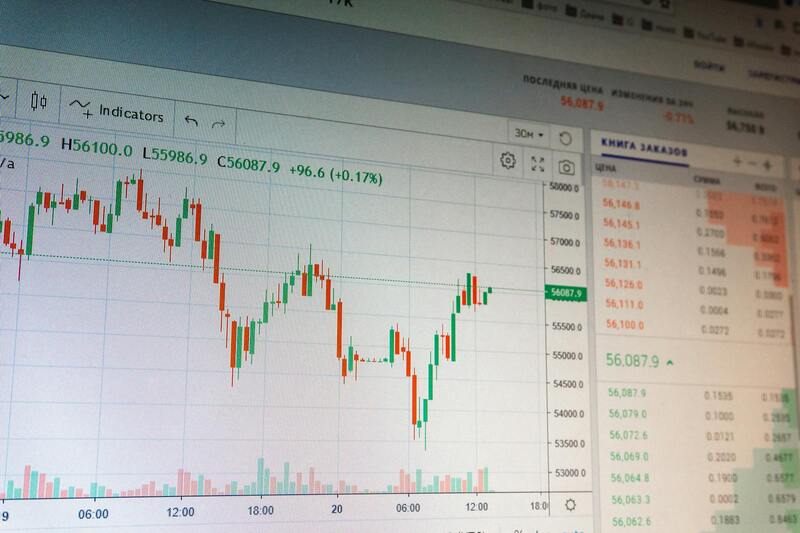
Establishing clear trading rules and risk parameters is equally critical. These rules might include maximum position sizes, stop-loss constraints, and profit targets. Incorporating risk management tools like volatility-adjusted position sizing, value-at-risk assessments, and scenario analysis helps protect the firm from excessive losses. Transparent and disciplined execution of the trading strategy fosters consistency and reliability across trading activities.
Furthermore, document procedural protocols and compliance standards related to trade execution, reporting, and audit trails. This documentation ensures that all trading activities adhere to established policies and industry standards. Such diligence not only enhances operational efficiency but also builds trust among stakeholders, including investors and regulatory bodies.
In developing your trading approach, consider leveraging technology that supports algorithmic trading, real-time data analysis, and automated order execution. These tools enable rapid decision-making and execution, which are crucial in competitive markets. Integrating advanced analytics can also reveal insights into market trends and trading patterns, enabling your firm to innovate continually and adapt effectively.
Ultimately, a well-crafted business plan and trading strategy form the backbone of your prop trading enterprise. They serve as a blueprint for operational execution, risk mitigation, and long-term success, providing a structured framework within which your firm can grow and thrive in dynamic financial markets.
Risk Management and Compliance
Implementing robust risk controls and compliance procedures is vital to maintaining the stability and integrity of a proprietary trading firm. Establishing a comprehensive risk management framework involves defining clear policies for trade execution, position limits, and loss thresholds. These policies should be supported by automated monitoring systems that continually analyze trading activities, flag anomalies, and prevent breaches of established parameters.
Compliance procedures encompass detailed documentation of trading activities, adherence to internal policies, and alignment with industry best practices. Regular audits and internal reviews ensure that all operations meet the firm's standards and industry norms. Maintaining accurate records of trades, decisions, and risk assessments not only supports transparency but also facilitates ongoing evaluation and improvements.

Advanced monitoring systems that incorporate real-time analytics and automated alerts help detect potential issues before they escalate. These tools can identify unusual trading patterns, margin violations, or unauthorized activities, allowing immediate corrective action. Establishing a clear escalation process ensures that identified risks are addressed promptly and effectively, safeguarding the firm against unexpected losses.
Furthermore, compliance extends to securing proper licensing, adhering to reporting standards, and implementing anti-money laundering (AML) and know-your-customer (KYC) procedures. Ensuring these protocols are rigorously followed not only fosters operational discipline but also enhances the firm's reputation among investors and industry stakeholders.
Monitoring Systems and Continuous Improvement
Ongoing monitoring and performance reviews are essential to sustain a resilient operation. Regularly analyzing trading data and risk metrics enables the firm to adapt strategies, improve risk controls, and identify emerging market threats. Using industry-standard risk management software, firms can create detailed dashboards that provide real-time insights into portfolio health, exposure levels, and compliance status.
Training staff and traders on compliance policies and risk awareness cultivates a culture of accountability and discipline. Keeping the team updated on new regulations and technological advancements ensures adherence and operational effectiveness. This proactive approach minimizes vulnerabilities, reduces the likelihood of compliance breaches, and enhances your firm's ability to sustain profitable trading activities over the long term.
Implementing Robust Risk Management and Compliance Protocols
Establishing comprehensive risk management procedures is essential to safeguard the proprietary trading firm's assets and ensure sustainable growth. This involves creating quantifiable risk limits for each trading desk or trader, based on portfolio size, market volatility, and historical performance data. Regular stress testing of trading strategies under various market conditions helps identify vulnerabilities and fine-tune risk controls effectively.
Integrating advanced risk management software can facilitate real-time monitoring of exposure levels, margin utilization, and profit-and-loss metrics. These tools enable traders and risk managers to respond swiftly to deviations from established thresholds, minimizing potential losses and maintaining financial stability.

Implementing Effective Compliance Frameworks
Beyond risk controls, establishing a strict compliance framework is vital for maintaining operational integrity. This includes instituting policies that enforce strict adherence to trading protocols, data security, and responsible trading practices. Periodic internal audits and reviews reinforce adherence to these policies and help identify areas for improvement.
It is also important to define clear reporting structures, documenting all trading activities and decisions meticulously. This transparency ensures accountability and provides a clear audit trail for regulatory reviews or internal evaluations.

Training and Cultivating a Culture of Discipline
Ongoing education and training initiatives are crucial for fostering a disciplined trading environment. Regular workshops, seminars, and update sessions on evolving market conditions, technological tools, and compliance standards help traders stay informed and vigilant.
Encouraging a culture where adherence to risk limits and compliance guidelines is valued promotes accountability. Recognizing disciplined trading practices and providing constructive feedback enhance overall operational robustness and sustain profitability over the long term.
Monitoring and Continuous Improvement
Consistent review of trading performance, risk metrics, and compliance adherence enables the firm to identify trends and implement corrective measures proactively. Establishing key performance indicators (KPIs) for traders and operational processes supports objective evaluation and decision-making.
Adapting to market changes and technological advancements requires an ethos of continuous improvement. Regular updates to trading algorithms, risk models, and compliance policies ensure the firm remains competitive and compliant within the evolving financial landscape.
Launching and Growing the Prop Trading Business
Successfully launching a proprietary trading firm involves strategic planning and diligent execution. Initial steps include establishing a solid operational foundation, including infrastructure, technology, and a compliant framework.
Effective branding and outreach to attract skilled traders are critical. Leveraging industry networks, participating in trading communities, and offering competitive profit-sharing models can enhance the firm's visibility and appeal.
- Attracting Top Talent: Developing clear criteria for trader selection, including proven performance records, strategic thinking, and disciplined risk management, ensures the recruitment of high-caliber traders.
- Scaling Operations: As the firm stabilizes, gradually expanding trading strategies, asset classes, and geographical markets can diversify income streams. This phased approach minimizes overextension and manages risk effectively.
- Technology and Infrastructure Investment: Continuously upgrading trading systems, data feeds, and analytics tools supports competitive advantage and operational efficiency.
- Building Investor Trust: Maintaining transparent reporting, consistent performance, and adherence to regulatory standards fosters confidence among trading partners and investors.