Understanding Proprietary Trading and Its Business Model
Proprietary trading, often referred to as prop trading, involves financial firms engaging in trading activities using their own capital instead of client funds. These entities operate within the financial markets by employing skilled traders and sophisticated strategies to generate profits from market movements. Unlike hedge funds or asset managers that trade on behalf of clients, proprietary trading firms retain all gains (and bear all losses), giving them a unique advantage in implementing aggressive trading strategies aimed at maximizing returns.
A proprietary trading firm typically focuses on various asset classes including equities, derivatives, commodities, and currencies. The core of its operation revolves around identifying market inefficiencies, utilizing advanced analytical tools, and executing rapid trades to capture short-term opportunities. The key sources of profit for these firms include spread trading, capitalizing on arbitrage opportunities, market making, and directional bets based on quantitative models.
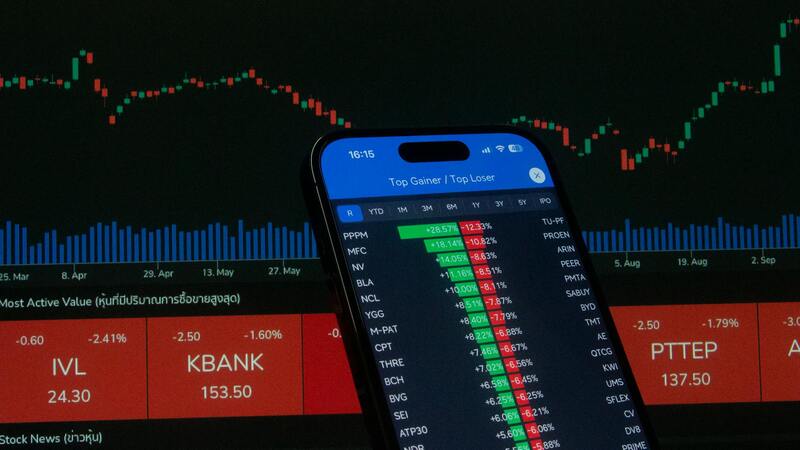
Proprietary trading firms often leverage high-frequency trading (HFT) technology and algorithmic strategies to enhance execution speed and trading accuracy. The primary advantage of this business model is the ability to deploy substantial capital to capitalize on market opportunities that retail traders are unable to access due to operational limitations. Through methodical research, real-time data analysis, and rapid decision-making, these firms aim to achieve consistent profitability regardless of overall market direction.
In terms of organizational structure, a prop trading firm typically consists of experienced traders backed by a robust infrastructure that includes advanced trading platforms, data management systems, and risk control mechanisms. The reliance on technology and skilled personnel underscores the importance of continuous innovation in trading practices, allowing firms to stay competitive in a rapidly evolving marketplace.
Primary Activities of Proprietary Trading Firms
- Market making and liquidity provision
- Capitalizing on arbitrage opportunities across various asset classes
- Executing high-frequency and algorithmic trading strategies
- Developing proprietary trading algorithms and models
- Implementing comprehensive risk management protocols
Understanding these fundamental operations sets the stage for aspiring proprietors planning to start their own proprietary trading firm, as it highlights the critical components necessary for success in this competitive industry.
Legal Structure and Regulatory Requirements
Establishing a well-defined legal framework is a fundamental step for anyone aiming to start a proprietary trading firm. The choice of legal entity significantly influences operational flexibility, taxation, and regulatory obligations. Common structures include Limited Liability Companies (LLCs), S-corporations, and C-corporations, each offering different advantages in terms of liability protection and taxation. An LLC, for example, provides a flexible management structure and pass-through taxation, making it attractive for small to medium-sized firms.
In addition to selecting the appropriate legal form, registering the business with relevant financial authorities and obtaining necessary licenses are critical components. While proprietary trading firms often operate under the umbrella of larger financial institutions or custodians, independent firms should ensure compliance with regional and national regulations governing financial transactions, capital requirements, and operational conduct.
Regulatory adherence includes establishing comprehensive policies concerning anti-money laundering (AML), know-your-customer (KYC) procedures, and risk disclosures. These measures not only facilitate lawful operation but also build credibility with potential investors and partners. As trading activities involve significant financial stakes, transparency and a clear legal stance help mitigate potential conflicts or misunderstandings.

Aligning the legal structure with business objectives ensures a solid foundation for growth and operational stability, ultimately supporting a sustainable and reputable trading enterprise.
Initial Capital and Funding Options
Securing adequate initial capital is essential to scale trading activities effectively. The amount of capital required depends on the scope of trading strategies, desired leverage, and operational costs. To fund the business, entrepreneurs can consider multiple sources:
- Personal savings and assets, which demonstrate commitment and reduce external dependencies.
- Angel investors or early-stage venture capital firms interested in proprietary trading technology and strategies.
- Partnerships with institutional investors seeking exposure to trained traders and algorithmic models.
- Bank loans or credit facilities tailored to financial firms, often requiring detailed business plans and risk management protocols.
It’s important to develop detailed financial projections and a phased funding plan. This approach ensures sufficient liquidity during early operations and allows for strategic scaling as the firm proves its models and gains operational insights. Maintaining capital reserves also provides a buffer against market volatility, safeguarding trading operations from unexpected downturns.

Optimal use of available funds, combined with a clear plan for attracting additional investments, enhances the firm’s capacity to execute advanced trading strategies and expand its market footprint.
Understanding Proprietary Trading and Its Business Model
Proprietary trading, often referred to as prop trading, involves financial firms utilizing their own capital to engage in trading activities across various markets. These firms aim to generate profits through a combination of sophisticated trading strategies, technological advantages, and rigorous risk management practices. The core business model revolves around traders executing high-frequency or algorithmic trades to exploit market inefficiencies, capitalize on short-term price movements, or employ quantitative models for predictive analysis. Unlike traditional brokerage services, where revenue is derived from commissions and fees, prop trading firms primarily earn through trading gains, making the strategic deployment of capital and effective risk controls critical to success.

Essential Components of a Proprietary Trading Business
- Capital Allocation: The firm invests its own funds into diverse trading portfolios, with a focus on liquidity, leverage, and diversification to optimize returns while managing risk exposure.
- Trading Strategies: Employing both systematic algorithms and discretionary trading methods, strategies are often tailored to exploit specific market niches or asset classes such as equities, derivatives, forex, or commodities.
- Technology Infrastructure: Advanced trading platforms, data feeds, and connectivity tools enable real-time execution and analysis, providing a competitive edge in fast-moving markets.
- Risk Management: Rigorous protocols are in place to monitor trading positions, set limits, and respond swiftly to market volatility, ensuring the firm’s capital remains protected from unexpected losses.
- Talent and Team: Skilled traders, quantitative analysts, and technology specialists collaborate to develop and refine trading models, maintaining an adaptive approach amidst dynamic market conditions.

Operational Efficiency and Profit Optimization
The success of a proprietary trading enterprise hinges on operational efficiency — from rapid trade execution to continuous strategy reassessment. Firms invest significantly in technological innovations to minimize latency, enhance data analysis capabilities, and automate decision-making processes. This technological edge allows traders to act on emerging opportunities swiftly and reduce human error. Additionally, ongoing research and development efforts help refine trading algorithms, adapt to changing market dynamics, and explore new asset classes. Efficient risk controls, including real-time monitoring and strict position limits, ensure that gains are maximized while exposure to adverse market movements remains adequately contained.
Establishing a Secure and Efficient Compliance Framework
Building a proprietary trading firm involves implementing a rigorous compliance infrastructure that aligns with the operational and strategic objectives of the enterprise. Establishing clear policies and procedures is essential for maintaining transparency across all trading activities and ensuring consistency in operational practices. This includes setting up detailed internal controls to monitor trading activities, enforce strict adherence to established risk parameters, and prevent any unauthorized actions that could compromise the firm's integrity.
Regular audits and comprehensive record-keeping are vital components of this compliance framework. They facilitate ongoing oversight and help detect discrepancies or irregular activities swiftly. Furthermore, integrating automated compliance tools can streamline the monitoring process, ensuring that all trades, transactions, and client interactions adhere to predetermined standards and industry best practices.

Having a well-defined compliance program not only minimizes operational risks but also establishes trust among trading partners and investors. Transparency in reporting, coupled with consistent adherence to established protocols, underscores the firm's commitment to integrity and responsible trading conduct.
Choosing Appropriate Technology and Data Infrastructure
Investing in cutting-edge technology is crucial for operational efficiency and maintaining a competitive edge in proprietary trading. This encompasses selecting and deploying a reliable trading platform that supports high-frequency execution, customizable algorithms, and seamless integration with market data feeds. An effective platform must facilitate rapid order placement, real-time market analysis, and sophisticated risk management tools.
Consistency in connectivity and data accuracy is achieved through robust data infrastructure. High-quality data feeds, low-latency connectivity solutions, and redundant systems ensure uninterrupted operations, even during periods of market volatility. These technological foundations enable traders to access comprehensive market insights, execute trades swiftly, and adapt strategies based on evolving information.

Building a Talented and Collaborative Team
The backbone of a successful proprietary trading firm is its team comprising skilled traders, data analysts, and technologists. Recruiting experienced professionals with proven records in quantitative analysis and market understanding is essential. For trader recruitment, a thorough evaluation process that assesses both technical skills and strategic thinking capabilities ensures the right fit for the firm’s trading philosophy.
Fostering a collaborative environment encourages innovative thinking and continuous improvement. Regular training sessions, access to market research, and shared analytical tools help team members stay ahead of market trends and refine their trading techniques. Aligning personal incentives with the firm’s objectives motivates high performance, while a culture of transparency and accountability maintains operational discipline.
Developing Operational Scalability and Business Growth Strategies
As the proprietary trading enterprise matures, establishing scalable operational processes becomes imperative. Automating routine procedures, from order execution to compliance reporting, reduces operational costs and minimizes errors. Strategic use of technology such as artificial intelligence and machine learning accelerates decision-making and strategy development.
Scaling also involves expanding asset classes, increasing capital deployment, and entering new markets. Each step requires meticulous planning, risk mitigation, and thorough analysis of market conditions and regulatory implications. Integrating a flexible infrastructure capable of supporting growth without compromising on speed or security is critical for long-term success.

Overcoming Challenges with Strategic Approaches
Launching and expanding a proprietary trading firm entails navigating various operational, technological, and market-related challenges. Maintaining agility in a rapidly changing market environment requires continuous evaluation and refinement of trading strategies. Conducting comprehensive risk assessments, leveraging innovative technologies, and fostering effective communication within the team are key ways to address these challenges.
Effective risk controls, such as real-time position monitoring and predefined thresholds, mitigate potential losses. Establishing strong relationships with liquidity providers and exchanges ensures optimal trade execution, which is critical in high-frequency trading scenarios. Additionally, investing in ongoing education and market research helps traders adapt strategies to new trends, regulatory changes, and technological advancements.
Technology Infrastructure and Trading Platforms
Establishing a robust technological backbone is fundamental to the success of a proprietary trading firm. This encompasses selecting high-performance hardware, such as servers, workstations, and networking equipment, capable of handling intensive data processing and low-latency trading activities. Equally important is choosing the right trading platforms that align with the firm’s trading strategies and volume requirements.
Modern trading technology involves integrating advanced software solutions, including algorithmic trading systems, order management systems (OMS), and execution management systems (EMS). These tools facilitate efficient trade execution, comprehensive order tracking, and real-time analytics, which are vital for making informed decisions in fast-paced markets.
Connectivity reliability is non-negotiable. Proprietary trading firms must ensure uptime through dedicated fiber-optic connections, redundant internet links, and geographically dispersed data centers. This minimizes latency, reduces risks associated with connectivity disruptions, and ensures seamless trading operations. Protecting data security through encrypted communication channels, secure servers, and regular cybersecurity audits safeguards sensitive financial information and maintains operational integrity.
Furthermore, firms should assess the scalability of their infrastructure to support growth. As trading volumes increase and new asset classes are added, the technological environment must adapt without compromising performance. This might include cloud solutions for flexible computing resources and data storage, as well as integrating AI-powered analytics for smarter decision-making.
Choosing vendor partners with proven expertise in trading technology ensures ongoing support, system upgrades, and compliance with evolving market standards. Continual evaluation and upgrades keep the infrastructure aligned with current industry best practices and technological innovations.
Investing in disaster recovery plans and cybersecurity protocols enhances resilience against outages and cyber threats, safeguarding the firm’s trading operations and reputation.
Understanding Proprietary Trading and Its Business Model
Proprietary trading, often referred to as prop trading, involves trading financial instruments using a firm’s own capital with the aim of generating profits. Unlike brokerage services that facilitate client transactions, proprietary trading firms focus on their own account management, leveraging market insights and advanced trading strategies. The core objective is to maximize the return on invested capital through disciplined risk management, sophisticated analytics, and innovative technology use.
The business model centers around attracting skilled traders who execute proprietary strategies, often utilizing quantitative models, algorithmic trading, and high-frequency trading techniques. These firms may operate across various asset classes such as equities, commodities, foreign exchange, and derivatives, offering diversified revenue streams. Success hinges on meticulous strategy development, effective risk controls, and continuous adaptation to market dynamics.

Establishing a solid foundation with clear operational goals and a long-term vision is crucial. The firm’s structure often includes a dedicated research team, risk management department, and technology specialists working in tandem to foster a competitive edge. Moreover, transparency in trading practices coupled with robust performance tracking enables continuous improvement and strategic agility.
Legal Structure and Regulatory Requirements
When initiating a proprietary trading enterprise, selecting an appropriate legal framework is vital. Common structures include LLCs, corporations, or limited partnerships, each offering different advantages in terms of liability, tax treatment, and operational flexibility. The chosen entity must comply with specific trading regulations applicable to the jurisdiction, which may involve licensing, reporting, and adherence to financial conduct standards.
While explicit mention of compliance is avoided, it is important to note that establishing internal policies aligned with industry standards minimizes operational friction. Engagement with legal counsel experienced in financial regulations can facilitate proper structuring, licensing, and the creation of compliance protocols that streamline operations and mitigate unforeseen contingencies.

Initial Capital and Funding Options
Securing sufficient capital is a fundamental step in starting a proprietary trading firm. Initial funding sources can include personal savings, investments from private backers, or business loans. The amount of capital required depends on the scope of trading activities, projected operational costs, and risk appetite.
Firms need to establish a reserve fund capable of supporting trading operations during periods of market volatility. This ensures liquidity for executing trades, covering operational expenses, and absorbing potential losses. Alongside traditional funding, some entities explore partnerships with institutional investors seeking exposure to proprietary strategies, provided that such arrangements are structured according to relevant financial best practices.

Developing Trading Strategies and Risk Management
At the heart of a profitable prop trading firm lie well-crafted trading strategies supported by robust risk management systems. Successful firms prioritize quantitative analysis, leveraging historical data, market indicators, and machine learning models to identify lucrative trading opportunities.
Risk controls are embedded into trade execution processes, including setting strict position limits, stop-loss orders, and profit targets to prevent excessive losses and protect capital. Continuous backtesting of strategies on historical data aids in refining approaches and avoiding overfitting. Additionally, implementing real-time risk monitoring systems offers instant insights into current exposure levels, ensuring that trading remains within predefined risk parameters.
Strategy Diversification and Innovation
- Develop multiple trading algorithms to diversify risk and capitalize on various market conditions.
- Regularly evaluate strategy performance, discard underperformers, and adapt successful models to evolving markets.
- Integrate artificial intelligence and machine learning techniques to enhance predictive accuracy and automate decision-making processes.

Operational Considerations and Scaling the Business
Launching a proprietary trading firm requires meticulous planning around operational processes to ensure efficiency, compliance, and scalability. Establishing clear procedures for daily trading activities, record-keeping, and compliance monitoring lays the foundation for sustainable growth. Many successful firms implement automated systems to streamline trade execution, monitor risk exposure in real-time, and generate detailed reports for review and audit purposes.
Consistent record-keeping is crucial for tracking trading performance, auditing transactions, and satisfying oversight requirements. Utilizing advanced software solutions can facilitate comprehensive data capture, providing transparency and enabling ongoing performance analysis. This not only supports internal evaluations but also helps demonstrate adherence to operational standards in external audits or inspections.
Scaling the business effectively involves expanding the trader team, enhancing technological infrastructure, and diversifying trading strategies. As the firm matures, it becomes essential to adapt processes to accommodate increasing trading volumes without sacrificing quality or oversight. Incorporating modular technology systems allows firms to add new features or improve existing ones efficiently, maintaining agility in a rapidly changing market environment.
Key Strategies for Scaling a Proprietary Trading Firm
- Enhance Trading Infrastructure: Invest in scalable, high-performance trading platforms that can handle increased transaction volumes seamlessly.
- Broaden Market Access: Expand into new markets or asset classes to diversify risk and seize new opportunities.
- Recruit Skilled Traders: Attract and retain talented traders through competitive compensation structures, advanced training, and a collaborative firm culture.
- Implement Advanced Risk Controls: Adapt risk management frameworks to monitor higher trading activity, ensuring exposure remains within predefined thresholds.
- Automate Repetitive Tasks: Use automation for routine procedures like compliance checks, trade reporting, and account reconciliations to improve efficiency and reduce human error.
Maintaining Regulatory Compliance During Growth
As the trading firm expands, maintaining strict compliance programs becomes increasingly vital. Regular review of policies, ongoing trader training, and diligent monitoring help prevent operational lapses. Employing compliance management software can automate the detection of anomalies or breaches, ensuring that the firm's practices remain aligned with evolving industry standards and regulatory expectations.

By integrating comprehensive operational frameworks with strategic growth initiatives—such as technological upgrades, strategic hiring, and market diversification—a proprietary trading firm can navigate the complexities of expansion while maintaining high-performance standards. Continuous process improvements and disciplined oversight foster resilience, positioning the firm for long-term success in dynamic markets.
Implementing Effective Compliance and Monitoring Systems
Starting a proprietary trading firm necessitates establishing robust compliance and monitoring frameworks that uphold operational integrity and foster trust among stakeholders. A comprehensive compliance system involves the integration of advanced software solutions capable of automating routine checks, flagging suspicious activities, and ensuring adherence to established trading protocols. These systems should be continuously updated to reflect evolving market conditions and internal policies.
Employing real-time surveillance tools allows firms to monitor trading activities meticulously and respond swiftly to any anomalies or deviations from preapproved risk parameters. Regular internal audits and reconciliation processes further contribute to operational transparency, helping to identify potential issues before they escalate. Documenting all compliance-related activities meticulously creates an audit trail, which can be invaluable during reviews or external examinations.
Staff training plays a vital role in maintaining a high standard of compliance. Traders and operational personnel should undergo ongoing education sessions covering market regulations, internal policies, and ethical standards. This not only reduces inadvertent violations but also cultivates a culture of integrity within the firm.

Leveraging Data Analytics and Performance Metrics
Data analytics tools are indispensable for evaluating trading performance and refining strategies. By analyzing historical trade data, firms can identify patterns, forecast market trends, and optimize execution methods. Key performance indicators (KPIs) such as win rate, profit factor, drawdowns, and average trade duration help traders and management gauge effectiveness and make informed decisions.
Implementing dashboards that present real-time analytics improves oversight and accelerates decision-making. These tools facilitate proactive adjustments, such as reallocating capital, modifying risk parameters, or strategizing new approaches based on empirical insights. Additionally, detailed performance reviews can identify training needs, determine payout structures, and motivate traders through transparent feedback mechanisms.

Long-term Planning and Strategic Growth
Scaling a proprietary trading firm successfully requires careful planning beyond immediate operational needs. Establishing a clear vision, including diversification of trading strategies, expanding into new markets, and investing in technological upgrades, can position the firm for sustained growth. Strategic partnerships, whether with technology providers or liquidity providers, offer additional avenues for expansion.
Financial planning plays a crucial role in growth management. Maintaining adequate capital reserves ensures resilience during periods of market volatility. Reinvesting profits into infrastructure, research, and talent acquisition enhances the firm's competitive edge. Regularly reviewing and adjusting strategic objectives aligns the firm’s trajectory with evolving industry standards and market opportunities.

Building a Resilient Operational Framework
The operational backbone of a proprietary trading firm must support rapid decision-making and adaptability. This involves integrating seamless communication channels, maintaining comprehensive documentation, and establishing contingency plans for technological failures or market disruptions. Automating routine processes reduces manual errors and accelerates response times, particularly in high-frequency trading environments.
Consistent staff training and knowledge sharing foster a resilient team capable of navigating market complexities. Encouraging collaboration among traders, risk managers, and compliance officers enhances overall firm stability. Regular evaluations of operational procedures and infrastructure upgrades help maintain a competitive edge while safeguarding the firm's assets.