Creating a Prop Firm: A Comprehensive Guide
Understanding Prop Firms and Their Role
Proprietary trading firms, commonly known as prop firms, play a significant role in the financial trading landscape. These organizations utilize their own capital to engage in market activities, aiming to generate profits without the involvement of external investors. By empowering talented traders to leverage substantial resources, prop firms foster an environment where strategic trading and risk management are paramount. Their primary purpose is to identify skilled traders with proven strategies, provide them with the necessary capital and infrastructure, and facilitate trading operations that can lead to consistent profit generation. The effectiveness of a prop firm hinges on meticulous selection of traders, robust operational protocols, and advanced technological support to ensure successful market participation.
Legal and Regulatory Requirements
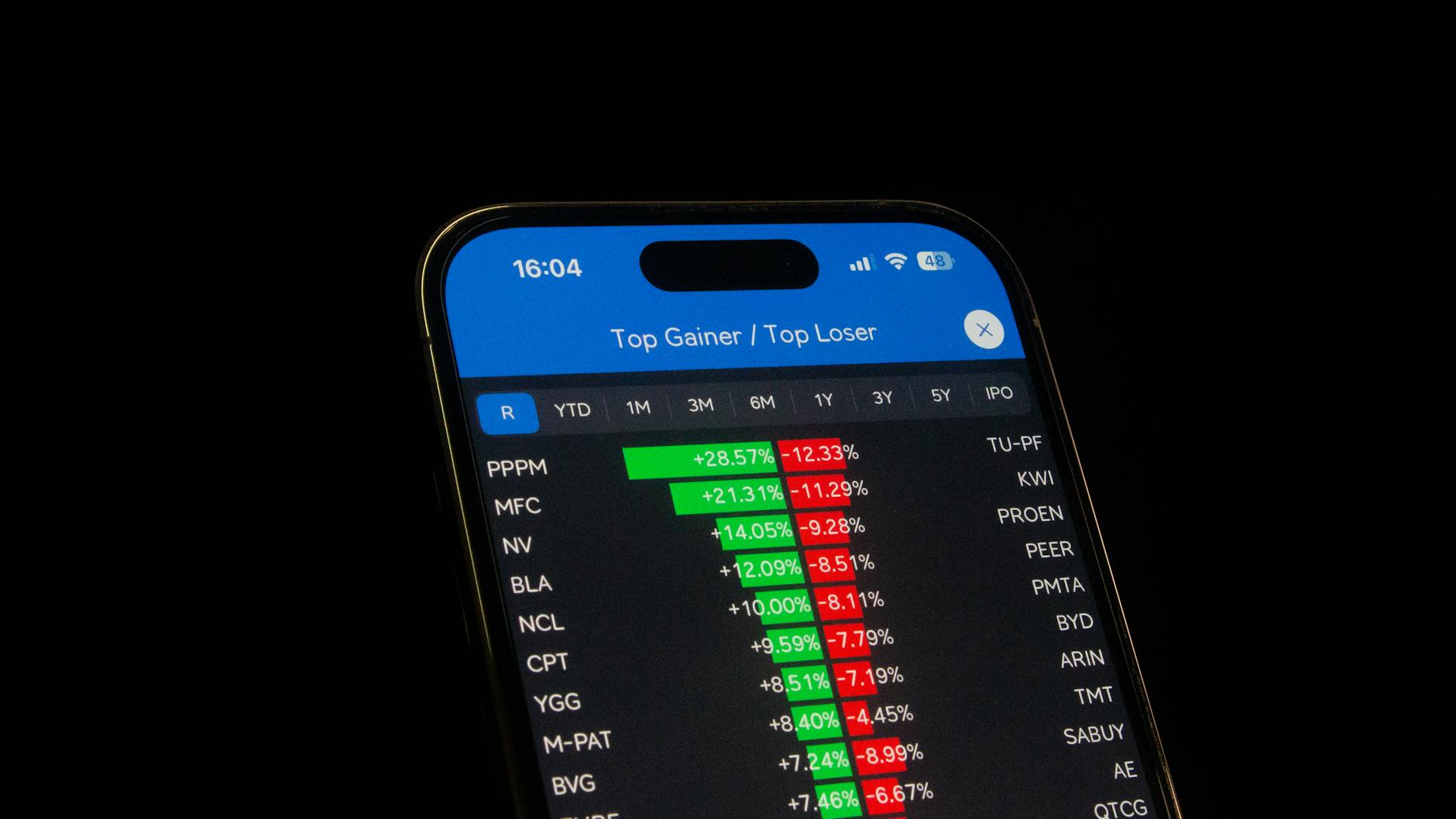
Establishing a prop firm entails adhering to specific legal standards and regulatory frameworks that govern financial operations. These may include licensing, registration, and compliance with relevant financial authorities. Implementing transparent policies for capital management, trader onboarding, and operational procedures not only ensures adherence to regulations but also builds trust with clients and trading partners. Crafting comprehensive compliance programs is essential for maintaining operational integrity and protecting the firm’s reputation within the industry. Legal considerations extend to employing experienced legal counsel to interpret ongoing regulatory changes and ensure ongoing compliance across jurisdictions.
Developing a Business Plan and Trading Strategy
Successful prop firms are rooted in thorough planning and strategic vision. Crafting a detailed business plan involves defining target markets, establishing risk management protocols, and setting clear profit and growth objectives. The trading strategy component should include the selection of trading instruments, margin management, and technological tools to support real-time decision-making. Establishing a scalable business model allows for future expansion and adaptation to changing market conditions. The plan should also delineate operational workflows, trader recruitment criteria, and performance evaluation metrics to ensure sustainable growth.
Securing Capital and Funding Options
Launching a prop firm requires substantial initial capital investment. Options for securing funding include personal savings, partnerships with investors, or institutional backing. Some entrepreneurs explore venture capital or private equity investments, which can provide the necessary liquidity to scale operations swiftly. Additionally, strategic alliances with financial institutions may facilitate access to credit lines or capital pools designed for trading activities. A well-defined funding strategy is critical for supporting trading capital, technology infrastructure, and operational expenses in the early stages and beyond.
Building a Team and Infrastructure
Constructing a skilled team is integral for the success of a prop firm. This includes experienced traders, risk managers, compliance officers, and technical support personnel. Cultural alignment and shared strategic goals foster a collaborative environment geared toward profit maximization. Infrastructure development involves securing office space, implementing secure communication channels, and establishing reliable data feeds and trading terminals. Robust infrastructure ensures seamless trading execution, data security, and operational efficiency, all vital components for a thriving prop firm.

Understanding Prop Firms and Their Role
Proprietary trading firms, commonly known as prop firms, operate as specialized financial entities that trade their own capital across various markets to generate profits. These firms serve as pivotal catalysts within the trading ecosystem, providing talented traders with access to significant trading capital, advanced technology, and professional support structures. Unlike traditional investment firms, prop firms focus solely on trading activities, managing risks while aiming for consistent profitability.
The core function of a prop firm is to identify and cultivate skilled traders, offering them a platform that leverages firm-owned funds. This model minimizes trader personal capital risk while maximizing the potential for profit sharing. Prop firms also act as innovation hubs for developing cutting-edge trading strategies, deploying algorithmic trading systems, and exploring new market opportunities. They typically operate across multiple asset classes such as equities, Forex, commodities, and derivatives, adapting to market conditions with agility and expertise.

Key roles within a prop firm include traders, risk managers, compliance officers, and support personnel. Traders are responsible for executing strategies, while risk managers monitor exposure levels to prevent significant losses. Compliance officers ensure adherence to regulatory standards, and technical support maintains trading infrastructure. Together, this team fosters a disciplined environment geared toward sustainable growth and profit maximization.
Differentiating Prop Firms from Other Financial Entities
- Trading Focus: Prop firms exclusively trade their own capital, unlike hedge funds or asset managers which manage clients' funds.
- Revenue Model: Profit sharing arrangements are common, with traders receiving a percentage of profits generated from their trading activities.
- Operational Flexibility: Prop firms maintain agility by implementing in-house developed trading algorithms and strategies, allowing quick adaptations to market changes.
- Capital Efficiency: Leveraging proprietary capital enables the firm to deploy large trading positions without relying on external investor funds.
By combining technological innovation, strategic risk management, and talented traders, prop firms contribute significantly to market liquidity and efficiency. Creating a prop firm involves a comprehensive process, beginning with the understanding of its role and operational dynamics, followed by careful planning and execution of foundational steps.
Developing a Business Plan and Trading Strategy
Creating a prop firm requires a thorough and well-structured business plan that clearly delineates goals, target markets, operational strategies, and financial projections. This plan serves as the blueprint guiding every aspect of the firm’s development and operation. When designing your business plan, it is essential to incorporate detailed profit models that specify how revenue will be generated, whether through profit sharing with traders or proprietary trading gains. Equally important are the risk management protocols, which must outline risk limits, monitoring systems, and contingency plans to safeguard the firm’s capital against market volatility.
A robust trading strategy is central to the success of a prop firm. This involves selecting the markets of focus, such as equities, forex, commodities, or derivatives, and developing or adopting trading algorithms and methodologies that have been backtested for effectiveness. Crafting a disciplined trading approach emphasizes consistent risk-reward ratios, position sizing, and entry/exit criteria, which helps to sustain profitability over time.
Equally critical is the integration of data analysis and technological tools that enable informed decision-making. Leveraging quantitative models and automation can significantly enhance trading efficiency and consistency. Additionally, establishing comprehensive compliance guidelines within the strategy ensures adherence to best practices and operational standards. Regular review and adjustments to the trading strategies based on performance metrics and market conditions are vital to maintaining a competitive edge.

Securing Capital and Funding Options
One of the fundamental steps in creating a prop firm is securing sufficient capital to support trading activities. Several avenues are available, including personal funds, institutional investments, or partnerships with private investors. In some cases, existing funds may be leveraged through capital raising efforts tailored toward attracting accredited investors interested in the proprietary trading model.
Additional funding options include engaging with venture capital firms or financial backers who recognize the strategic potential of the firm. It is crucial to present a compelling business plan that outlines risk management, projected returns, and operational frameworks to attract these sources of capital. Formal agreements and transparent reporting practices help ensure investor confidence and ongoing support.

Building a Team and Infrastructure
Assembling a talented team is vital to the success of a prop trading operation. This includes skilled traders, risk managers, quantitative analysts, and IT specialists. Each team member contributes to optimizing trading performance and maintaining robust operational infrastructure. Recruitment should focus on experience, technical expertise, and a disciplined approach to risk and profit management.
Infrastructure development encompasses establishing secure and efficient trading environments, including high-speed internet connections, dedicated servers, and reliable data feeds. Ensuring cybersecurity measures are in place protects sensitive trading information and client data from breaches. Additionally, implementing standardized procedures and training programs enhances operational consistency and performance across the entire team.
Implementing Trading Platforms and Risk Management Tools
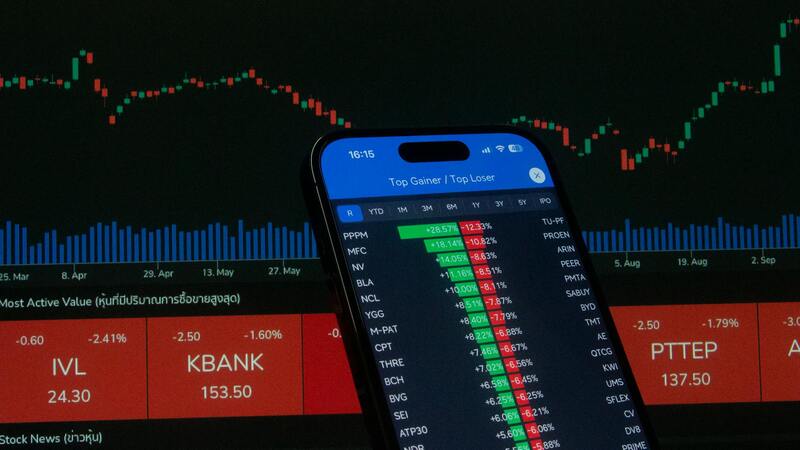
The selection of trading platforms is a critical consideration, as it affects execution speed, data integration, and analytical capabilities. Popular options include MetaTrader, NinjaTrader, or proprietary systems developed specifically for the firm’s trading strategies. Integration of advanced order management systems and real-time monitoring tools enhances operational efficiency.
equally important is deploying comprehensive risk management tools that monitor exposure, enforce trading limits, and generate alerts in case of adverse market movements. Automated risk controls such as stop-loss and take-profit orders, along with continuous portfolio analysis, protect the firm’s assets and ensure compliance with predefined risk parameters. Regular testing and updating of these systems help maintain their effectiveness and adapt to evolving market conditions.

Launching and Operating the Prop Firm
Effective launch involves finalizing trading infrastructure, conducting comprehensive testing, and ensuring all team members are trained on operational procedures. Establishing clear communication channels and reporting structures enables seamless coordination among team members and supports quick decision-making during trading hours.
Operational management includes continuous oversight of trading performance, adherence to risk controls, and compliance protocols. Regular review meetings help identify opportunities for process improvements and strategic adjustments. Systematic record-keeping and performance analytics are essential for transparency and ongoing evaluation. Maintaining disciplined trading routines and fostering a professional environment are crucial for long-term sustainability.

Understanding Prop Firms and Their Role
Proprietary trading firms, or prop firms, serve as specialized entities that allocate capital to skilled traders who execute trading strategies across various financial markets. These firms offer traders access to significant trading capital, technology infrastructure, and risk management frameworks, enabling them to amplify their market exposure while sharing in the profits generated. Prop firms often focus on specific asset classes such as equities, futures, options, or forex, tailoring their operations to leverage expertise in those areas. Their core role is to facilitate a structured environment where talented traders can execute high-volume trades efficiently, supported by institutional-grade tools and risk controls, ultimately aiming to maximize profitability while maintaining compliance with internal standards and market regulations.

Legal and Regulatory Requirements
Establishing a compliant environment for a prop trading firm involves understanding various legal and procedural standards that govern the financial industry. These standards include the formation of a proper business entity, adherence to industry-specific licensing or registration protocols, and implementation of internal compliance policies aligned with governing bodies and market authorities.
Key steps involve consulting with legal professionals to ensure proper business registration, obtaining any required licenses to operate in specific jurisdictions, and setting up robust compliance systems. These systems should include transparent record-keeping processes, trade reporting protocols, and strict adherence to anti-money laundering (AML) and know-your-customer (KYC) procedures. Companies must also develop comprehensive policies that address conflicts of interest, record trades accurately, and ensure compliance with market conduct standards.
Ensuring compliance with moving regulations is vital, especially when scaling operations internationally. It is crucial to stay updated on regulatory changes and maintain open communication channels with legal advisors and compliance officers to adapt internal policies accordingly. This approach not only helps avoid penalties but also fosters trust and reliability among clients and trading partners.

Developing a Business Plan and Trading Strategy
A well-structured business plan forms the foundation of a successful Prop firm. This plan should clearly outline the firm's mission, target markets, operational scope, and strategic objectives. Key components include outlining initial capital requirements, profit-sharing arrangements, risk management policies, and expansion strategies. A comprehensive market analysis helps identify the most promising trading opportunities and assets, providing a targeted approach to trading operations.
Alongside the business plan, developing a robust trading strategy is essential. Strategies should be based on data-driven insights and tested extensively in simulated environments before actual deployment. An effective trading approach incorporates rigorous risk controls, position-sizing techniques, and diversification strategies to mitigate potential losses. It also requires continuous refinement based on market conditions and performance metrics, ensuring adaptability and resilience over time.
In-depth analysis of historical data, market indicators, and economic factors enhances the strategy’s effectiveness. Incorporating technology such as algorithmic trading models or quantitative analysis tools further optimizes execution and decision-making processes. Regular review sessions should be scheduled to assess performance against objectives, identify areas for improvement, and adjust strategies accordingly.

Securing Capital and Funding Options
Establishing a reliable funding foundation is crucial when creating a prop firm. Securing initial capital can involve a variety of legitimate methods, each demanding transparency and adherence to financial standards. Traditionally, founders might use personal savings to bootstrap the enterprise, demonstrating commitment and confidence to potential stakeholders.
Another viable approach involves attracting private investors or institutional partners who are interested in prop trading. These investors often conduct due diligence to verify the firm’s business plan, trading strategies, and risk management protocols. Presenting a comprehensive and well-structured proposal can significantly enhance credibility and appeal.
Business development grants, venture capital, or structured financing arrangements are also options for raising capital legitimately. Such funding avenues usually require detailed documentation, including pitch decks, financial projections, and compliance assurance. It's vital to maintain complete transparency about the use of funds and operational plans to foster trust and secure ongoing support.

Further, establishing partnerships with trading technology providers or financial institutions can provide access to necessary tools and capital pools. These collaborations often involve formal agreements that specify funding limits, profit-sharing arrangements, and risk provisions. Engaging with reputable entities ensures access to high-quality resources and enhances operational legitimacy.
It's essential to implement a transparent and lawful process for fund allocation and management. This involves maintaining meticulous records of all financial transactions, investor communications, and compliance documentation. Adopting industry-standard accounting systems and regularly auditing financial activities help maintain integrity and build a solid reputation within the trading community.
Securing funding is not just about raising capital; it’s about establishing trust and demonstrating the prop firm’s operational capability. Clear documentation, strategic partnerships, and transparent financial practices position the firm for sustainable growth and compliance with industry standards.
Building a Skilled Trading Team and Establishing a Robust Infrastructure
Constructing a disciplined and knowledgeable trading team is fundamental for the success of a legitimate prop firm. The recruitment process should focus on identifying traders with proven track records, sound risk management skills, and a deep understanding of markets and trading strategies. It is essential to verify their experience through detailed background checks, trading simulations, and reference validation. Emphasizing ongoing training and professional development ensures your team stays updated on market dynamics, risk control techniques, and compliance standards.

Equally important is the development of a reliable technological infrastructure to support seamless trading operations. This includes selecting reputable trading platforms that offer real-time data feeds, reliable execution, and customizable risk management features. Robust server systems, high-speed internet connectivity, and secure data storage solutions help minimize downtime and protect sensitive information.
Implementing Top-Tier Trading Software and Risk Management Tools
Choosing the right trading software is critical for maintaining efficiency and compliance. The platform should support various trading instruments, facilitate detailed analytics, and allow integration with risk management systems. Automated tools for trade execution, surveillance, and compliance checks streamline operations and reduce manual errors.
Risk management tools are indispensable for protecting capital and adhering to regulatory standards. These include setting predefined risk limits, limits on leverage usage, and implementing stop-loss orders. Advanced monitoring systems provide real-time alerts for unusual trading activities, enabling prompt intervention to prevent excessive losses. The integration of these tools into daily operations helps foster a culture of disciplined trading and risk awareness.
Establishing Internal Policies and Compliance Protocols
A clear set of internal policies supports operational consistency and regulatory adherence. These policies should cover aspects such as trader conduct, capital allocation, reporting requirements, and trading conduct reviews. Regular audits and compliance checks are essential for identifying areas of improvement and ensuring that all activities align with established standards.
Developing Client and Investor Relations
Maintaining transparent communication channels with investors and clients enhances trust and credibility. Providing detailed performance reports, operational updates, and risk assessments demonstrates accountability and professionalism. Establishing a dedicated customer service infrastructure ensures timely responses to inquiries and fosters long-term relationships.
By focusing on both human capital and technological excellence, a prop firm can establish a resilient foundation that supports sustainable growth and operational integrity. These measures are vital for creating a compliant and reputable trading environment that attracts skilled traders, investors, and partners.
Implementing Trading Platforms and Risk Management Tools
Establishing robust trading platforms is crucial for the seamless execution of trades and efficient management of the firm's trading activities. Selection of platforms should be based on their stability, speed, user interface, and compatibility with various trading strategies. Many prop firms opt for institutional-grade platforms that offer advanced customization, real-time data feeds, and comprehensive analytics to support informed decision-making.
Integrating risk management tools is equally vital to safeguard the firm's capital and uphold trading discipline. These tools include advanced order management systems, real-time monitoring dashboards, and automated risk controls. For example, setting predefined limits on position sizes, profit targets, and drawdowns ensures that traders operate within specified boundaries. Automated stop-loss and limit orders act as the first line of defense against unexpected market volatility, preventing significant losses.
Implementing real-time alerts enables the risk management team to respond swiftly to unusual trading activities or risk exposures. These alerts can notify staff of margin breaches, excessive leverage usage, or abnormal trading volumes, allowing immediate intervention. Additionally, regular stress testing and scenario analysis help evaluate potential vulnerabilities within the trading system, providing insights for refining risk parameters.

Furthermore, comprehensive compliance monitoring systems ensure adherence to internal policies and operational standards. These systems can automatically flag breaches or deviations from approved trading practices, facilitating timely corrective actions. By continuously refining these technological solutions, a prop firm creates a disciplined and transparent trading environment that mitigates operational risks.
Training and ongoing education for traders and risk managers are essential to maximize the benefits of these platforms. Regular workshops and updates on new features and risk protocols promote best practices and foster a culture of disciplined trading.
Comprehensive Approaches to Creating a Prop Firm: Final Steps
Establishing a proprietary trading firm involves meticulous planning and adherence to established procedures to ensure a robust and sustainable operation. After setting up the foundational infrastructure and securing initial capital, the focus shifts toward refining operational processes, implementing advanced risk management protocols, and deploying effective marketing strategies to grow the enterprise.
Advanced Operational Protocols and Technology Integration
Operational excellence relies heavily on integrating cutting-edge trading technology with comprehensive risk management tools. Deploying sophisticated trading platforms enhances execution speed and reliability, enabling traders to act swiftly under dynamic market conditions. It is vital to select platforms with high stability, customization options, and compatibility with various analytical tools. These platforms should support algorithmic trading, real-time data feeds, and comprehensive reporting functionalities.
Risk management must be embedded into every aspect of trading activities. Automated risk controls such as position limits, profit targets, and stop-loss orders safeguard against excessive losses. Real-time alerts notify the risk management team of breaches in predefined thresholds, allowing immediate review and intervention. Regular stress testing and scenario analysis help identify systemic vulnerabilities, ensuring the firm can adapt swiftly to market shocks and volatility.

Regulatory Compliance and Continuous Monitoring
Even in the absence of explicit legal obligations, maintaining rigorous internal compliance standards is paramount. Implementing automated monitoring systems helps ensure adherence to trading policies and operational standards. These systems can detect unauthorized trading activities, deviation from risk parameters, or the use of prohibited instruments. Regular audits, both automated and manual, support ongoing compliance and enhance operational integrity.
Building a Talented Team and Fostering a Culture of Excellence
Hiring skilled traders, analysts, and risk managers is critical. A rigorous recruitment process, combined with ongoing training, ensures that staff stay updated on industry best practices, technological innovations, and risk mitigation strategies. Cultivating a disciplined environment centered on transparency and accountability encourages responsible trading and improves overall firm performance.
Market Penetration and Brand Development
Growing a prop trading firm extends beyond operational excellence to include strategic marketing and brand positioning. Developing a compelling value proposition and engaging with a community of talented traders attracts high-caliber talent. Leveraging professional networks, industry conferences, and online communities can enhance visibility. Over time, establishing a strong reputation for reliability, technological sophistication, and trader support facilitates expansion into new markets and asset classes.
Effective branding also involves showcasing technological assets, risk management capabilities, and successes achieved by your traders. Highlighting these strengths helps position the firm as a leader within proprietary trading circles, attracting both traders and investors seeking innovative trading environments.