Definition and Role of Open Prop Trading Firms
Open proprietary trading (prop trading) firms serve as specialized financial entities that enable skilled traders to access the firm’s capital to execute trades across various financial markets. Unlike traditional brokerage firms that facilitate client transactions, open prop trading firms focus on deploying their own capital to generate profit through active trading strategies. These firms typically recruit talented traders to manage their assets, offering them a platform to leverage advanced trading technologies, extensive market data, and sophisticated risk management tools.
The core purpose of an open prop trading firm is to optimize the potential profitability of trading activities by providing traders with the necessary resources and a conducive environment. This setup encourages risk-taking and innovation within a structured framework designed to maximize returns while controlling exposure. The primary distinction between open prop trading firms and traditional trading firms lies in the internal management of funds and the focus on direct trading profits as opposed to commission-based revenue models.

Open prop trading firms are integral players in the financial ecosystem, contributing to market liquidity and efficiency. They often employ sophisticated trading algorithms and utilize cutting-edge technology to execute high-frequency trades, arbitrage, and other advanced strategies. These firms are distinct from closed or semi-closed trading outfits due to their transparency in operations and hiring practices, which typically involve rigorous vetting and skill assessments for traders. The open nature of these firms often means they actively seek emerging talent and foster a competitive environment geared toward continuous profit maximization.
In essence, open prop trading firms act as catalysts for individual traders’ success by providing structured support, capital access, and technological infrastructure. They enable traders to implement their strategies effectively, operate within well-defined risk management parameters, and participate fully in global financial markets. As such, they are a vital component of the broader trading industry, facilitating a symbiotic relationship between talented traders and the firm’s resources.
Requirements for Starting an Open Prop Trading Firm
Establishing an open prop trading firm necessitates a comprehensive understanding of various foundational elements that ensure operational success and sustainability. The initial phase involves meticulous planning around capital requirements, technological infrastructure, and talent acquisition. While the specifics may vary depending on the market and scope, certain core components remain universally critical.
First and foremost, securing adequate capital is essential. This capital pool funds daily trading activities, covers potential losses, and supports strategic expansion. Typically, founders and principal traders need to demonstrate a proven track record in trading, alongside a well-crafted business plan that emphasizes risk management strategies, projected profitability, and operational costs. Many open prop trading firms leverage additional funding sources, including institutional investors, to augment their initial capital base and mitigate risks associated with market volatility.

Technological Infrastructure and Trading Platforms
High-performance technology infrastructure is indispensable for an open prop trading operation. This includes access to advanced trading platforms capable of executing high-frequency trades, analytic tools for market analysis, and secure data management systems. Developing or procuring proprietary algorithms can provide competitive advantages; however, ensuring these systems integrate seamlessly with market data feeds and brokerage interfaces is crucial for smooth operations. Additionally, robust risk management software and real-time monitoring tools facilitate adherence to predefined trading parameters and protect the firm from excessive exposure.
Implementing reliable cybersecurity measures further safeguards sensitive trading data, client information, and financial transactions against breaches, which is critical for maintaining operational integrity and trust within the trading community.
Talent Acquisition and Development
Assembling a team of skilled traders is a pivotal step. This involves rigorous recruitment processes that assess trading acumen, risk tolerance, and adaptability to dynamic market conditions. Many firms favor traders with a proven record of consistent profitability and familiarity with the markets they intend to operate in. Providing continuous training and performance feedback helps keep the team responsive to evolving trading strategies and market trends.
Beyond traders, hiring support roles such as risk managers, compliance officers, and technology specialists fosters a resilient operational backbone. Cultivating a collaborative environment dedicated to ongoing learning and strategic innovation encourages trading excellence and operational resilience.
Operational Policies and Risk Management Procedures
Clear operational policies shape how trades are managed and define the ethical standards within the firm. Establishing strict risk management procedures ensures that traders operate within acceptable risk thresholds, reducing potential for catastrophic losses. These include setting daily, weekly, and monthly loss limits and employing stop-loss and take-profit orders. Also, regular audits and enforcement of compliance standards uphold operational discipline.
Effective communication channels and escalation protocols allow swift resolution of issues that arise during trading activities, maintaining the firm’s stability amidst market fluctuations.
Legal, Regulatory, and Compliance Foundations
While not always explicitly outlined in broad descriptions, understanding the legal and regulatory framework surrounding proprietary trading is essential. Starting a firm involves adhering to standards set by financial authorities, which include licensing, reporting, and operational transparency. Establishing compliant practices mitigates risks related to sanctions, audits, and operational disruptions. Engaging legal counsel well-versed in financial regulations can streamline registration processes, licensing, and ongoing compliance activities, thereby establishing a solid foundation for sustainable growth.
In addition, comprehensive policies regarding client engagement, data security, and internal controls create a resilient operational environment, fostering trust among stakeholders and safeguarding the firm's reputation.
Requirements for Starting an Open Prop Trading Firm
Launching an open proprietary trading firm requires meticulous planning and adherence to specific prerequisites that ensure operational efficiency and compliance. The core elements encompass adequate capital provision, a robust legal framework, advanced technological infrastructure, and appropriate trading licenses. Each component plays a vital role in establishing a balanced, functional, and compliant trading environment capable of adapting to dynamic market conditions.

Capital and Financial Resources
Securing sufficient capital is fundamental to sustain trading activities, withstand market volatility, and support operational costs. The amount varies depending on the firm’s scope and trading style, but generally, a conservative starting point involves a minimum capital allocation that allows for diversified trading strategies while maintaining risk buffers. Capital reserves must be carefully allocated across trading desks, technology investments, regulatory fees, and contingency funds to ensure operational resilience.
Legal and Licensing Considerations
Establishing an open prop trading firm involves navigating a complex landscape of legal requirements. This includes registering the business with relevant authorities, obtaining necessary licenses, and ensuring compliance with financial regulations. Many jurisdictions require firms to apply for specific trading licenses or equivalency certificates that permit conducting proprietary trading activities legally. Moreover, comprehensive legal frameworks should be developed to outline internal policies, trader conduct, data security protocols, and dispute resolution mechanisms.
Technology Infrastructure
Robust trading technology is the backbone of any successful prop trading operation. High-performance trading platforms, real-time data feeds, and advanced analytics tools enable traders to execute strategies swiftly and efficiently. Infrastructure should also incorporate secure communication channels, disaster recovery systems, and scalable server architectures to support growth. Additionally, trading algorithms and automation tools enhance precision and reduce operational risks during high-volume trading sessions.
Trading Licenses and Regulatory Compliance
Depending on the trading jurisdiction, firms must acquire specific licenses that authorize proprietary trading activities. This process typically involves submitting detailed business plans, demonstrating financial stability, and providing evidence of operational compliance. Regulatory bodies may also require ongoing reporting, audit procedures, and adherence to market conduct standards. Employing legal experts with specialization in financial legislation can streamline licensing procedures, ensuring all filings and documentation meet requisite standards, thereby establishing a compliant operational foundation.

Definition and Role of Open Prop Trading Firms
Open proprietary trading firms are financial entities that primarily engage in buying and selling securities, commodities, currencies, or derivatives using their own capital. Unlike hedge funds or managed accounts, these firms do not handle external client funds but focus on generating profits through strategic trading activities. Their operations are characterized by a focus on innovation, speed, and precision, leveraging advanced technology and skilled traders to execute complex strategies across various markets. These firms contribute to market liquidity and efficiency, often acting as significant players in high-frequency trading, arbitrage, and other short-term trading strategies. They serve as vital components of the financial ecosystem, balancing risk and reward within a framework designed to optimize profit potential while managing operational risks effectively.
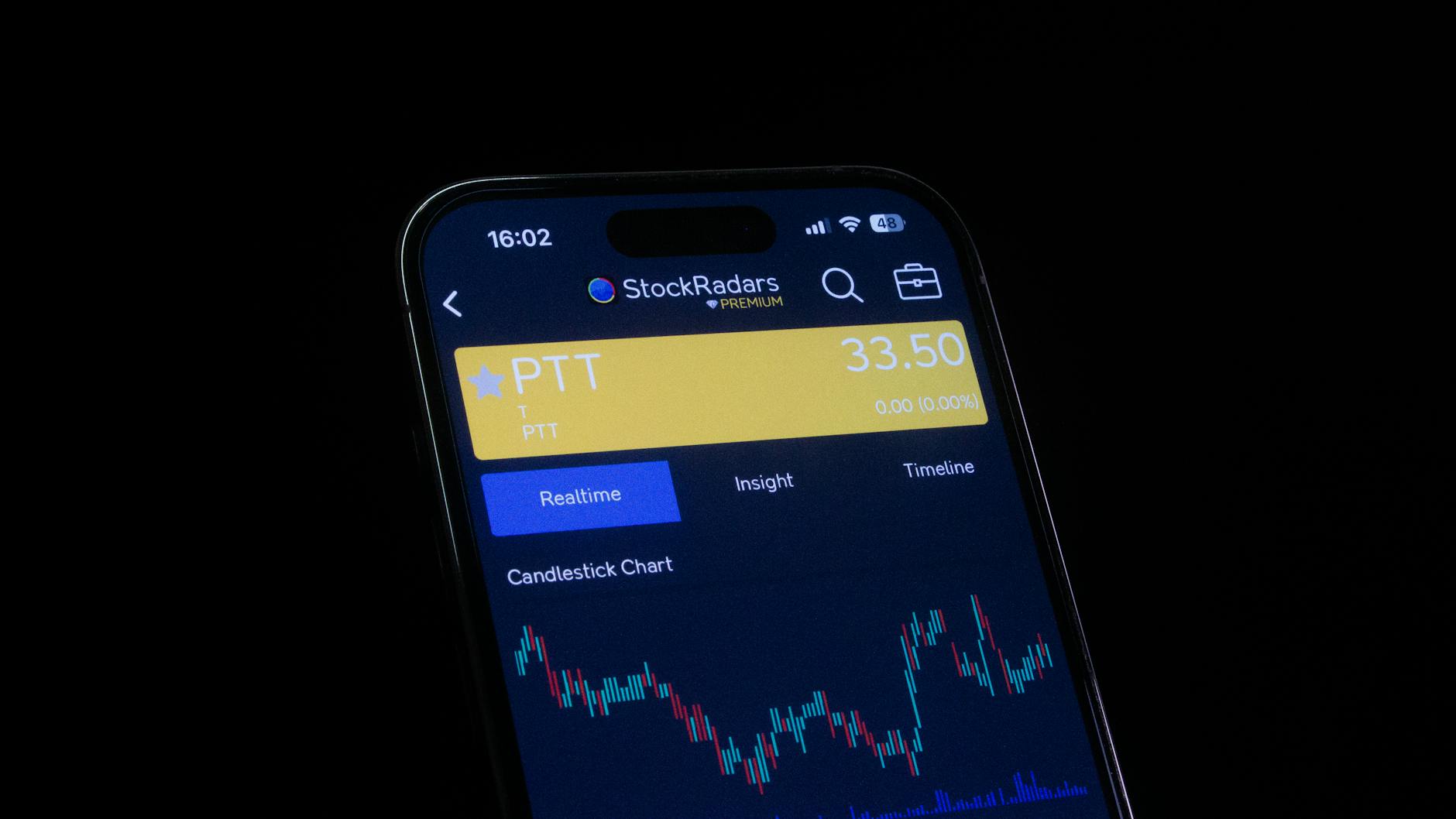
Established firms often develop a structured environment that emphasizes rapid decision-making, real-time data analysis, and technological agility. This structure enables them to adapt swiftly to market changes, capitalize on fleeting opportunities, and maintain a competitive advantage. An open prop trading firm's role is not merely to execute trades but to innovate continuously, refine trading models, and manage complex risk profiles effectively, all while maintaining operational integrity and compliance within the trading ecosystem.
Advantages of Opening a Prop Trading Firm
Launching an open prop trading firm presents several compelling benefits for entrepreneurs with a passion for financial markets. These include greater control over trading strategies, the ability to tailor risk management protocols, and access to the full spectrum of market opportunities without external constraints. Proprietary trading allows firms to implement cutting-edge technology solutions, leverage proprietary algorithms, and cultivate a team of skilled traders committed to achieving high-performance benchmarks. Moreover, successful firms can generate significant profit margins, especially when their trading models exploit market inefficiencies or leverage automation to enhance execution speed and accuracy.
Additionally, an open prop trading firm can serve as a hub for innovation—allowing continuous adaptation to emerging market trends and technological advancements. This environment fosters an entrepreneurial mindset, encourages tactical experimentation, and enables rapid scaling of successful trading strategies. As a result, traders and investors within these firms can benefit from a well-structured ecosystem designed to promote growth, learning, and competitive edge in volatile markets.
Requirements for Starting an Open Prop Trading Firm
Launching a proprietary trading business involves meticulous planning and adherence to a series of fundamental requirements aimed at building a solid operational foundation. The initial phase includes defining a clear business plan that details targeted markets, trading strategies, risk management protocols, and technological infrastructure. It’s crucial to evaluate capital needs and establish reliable funding sources to support trading activities from inception through growth stages.
Legal and regulatory compliance is essential; this involves obtaining the necessary licenses tailored to trading jurisdictions, aligning policies with market conduct standards, and implementing comprehensive internal controls. Additionally, firms must develop advanced trading technology infrastructure—encompassing high-speed trading platforms, real-time data feeds, and automated algorithms—that ensures competitive performance and operational security.
Recruiting a proficient team of traders, analysts, and risk managers is equally important, as their expertise directly impacts the firm’s ability to execute strategies efficiently and adapt to market dynamics. Finally, establishing clear internal policies, data security protocols, and dispute resolution mechanisms fosters a trustworthy operational environment aligned with best practices across the industry.
Funding and Capital Allocation Strategies
Securing appropriate funding is fundamental to establishing and maintaining an open prop trading firm. The process involves exploring various sources of capital, including personal savings, angel investors, venture capital, or institutional backing, depending on the scale and ambition of the enterprise. Once initial capital is acquired, strategic allocation becomes key; this involves distributing funds across different trading strategies, asset classes, and technology investments to diversify risk and enhance return potential.
Effective capital management requires a disciplined approach—regularly assessing the risk-reward profile of each allocation, adjusting based on market conditions, and maintaining liquidity buffers to navigate unforeseen volatility. Many firms adopt a tiered funding approach, where core capital supports steady trading strategies, and a separate reserve funds enable experimentation with innovative approaches or navigate downturns. Transparent record-keeping, coupled with rigorous performance analysis, ensures funds are optimally utilized and align with strategic growth targets.
Another crucial aspect is establishing risk management frameworks that define maximum drawdowns, daily loss limits, and contingency plans to protect capital. These frameworks facilitate continuous monitoring and enable quick decision-making when market conditions shift unexpectedly. Reinvestment of profits is often aligned with expansion plans, such as upgrading trading infrastructure or expanding the team, supporting sustainable development of the firm’s trading capabilities.

Building a Trading Team and Trading Environment
An effective trading team comprises proficient traders, data analysts, and risk managers who collaboratively develop and execute trading strategies. Recruiting personnel with diverse experience—from quantitative analysts to seasoned traders—ensures the firm remains adaptable and innovative in competitive markets.
The trading environment should foster collaboration, continuous learning, and technological advancement. Modern firms invest in state-of-the-art hardware and software, including high-frequency trading platforms, real-time analytics, and automated decision-making tools. Establishing a robust data infrastructure that provides accurate, timely information is essential for informed trading decisions.
Additionally, fostering a culture of transparency and accountability encourages traders to adhere to predefined risk parameters and ethical standards. Regular training sessions, performance reviews, and incentive programs help maintain high morale and align individual goals with the firm’s overarching strategy. Creating a dynamic yet disciplined environment allows traders to capitalize on market opportunities while managing exposures responsibly.

Legal and Regulatory Considerations
Operating an open prop trading firm necessitates careful navigation of legal and regulatory frameworks to ensure compliance across jurisdictions. This includes acquiring necessary licenses, such as trading permits or registration with relevant financial authorities, which often vary depending on the operational region.
Implementing comprehensive compliance programs involves establishing policies that align with market conduct standards, anti-money laundering rules, and data security regulations. Internally, firms should develop clear procedures for record-keeping, trade reporting, and dispute resolution, fostering accountability and transparency.
Choosing the right structure—whether as a corporation, LLC, or partnership—impacts legal obligations and taxation. Engaging legal and financial advisors during the formation phase ensures that the enterprise adheres to all statutory requirements while establishing a durable operational framework.

Growth Opportunities and Challenges
Opportunities for expansion are plentiful for open prop trading firms that successfully integrate cutting-edge technology, diversify trading strategies, and build strong networks within the trading community. Innovation in algorithm development, machine learning applications, and access to emerging markets can dramatically increase profit potential.
However, challenges such as market volatility, technological disruptions, and regulatory changes require ongoing vigilance and adaptation. Maintaining competitive advantage involves continuous improvement of trading algorithms, risk management protocols, and technological infrastructure. Building resilience through diversification and strategic partnerships enhances the firm’s capacity to withstand adverse market conditions.
Moreover, sourcing and retaining talented traders and analysts remain ongoing hurdles. Providing an attractive work environment, ongoing professional development, and clear career pathways helps ensure the firm attracts top talent necessary for sustained success.
Legal and Regulatory Considerations
Establishing and operating an open prop trading firm involves navigating a complex landscape of legal and regulatory requirements. Ensuring compliance from the outset helps to create a robust operational foundation and minimizes potential risks associated with regulatory breaches.
Fundamentally, compliance measures include registration with appropriate authorities if applicable, adherence to securities laws, and ongoing reporting obligations. It is essential to understand the specific guidelines that govern trading activities within your jurisdiction, including licensing, reporting standards, and anti-money laundering regulations.
At the operational level, firms must implement comprehensive policies on data protection, cybersecurity, and record-keeping. These policies not only meet regulatory standards but also safeguard sensitive information and ensure transparency in trading activities. Maintaining detailed logs of trades, decisions, and communications supports accountability and audit processes.

To navigate this intricate environment, many open prop trading firms partner with legal experts specializing in financial regulation. These professionals assist in drafting internal policies, obtaining necessary licenses, and staying current on regulatory updates that could impact trading operations. Moreover, engaging with industry associations or regulatory bodies can provide insights into best practices, upcoming regulatory changes, and networking opportunities.
Operational transparency is also crucial in fostering trust with trading counterparts, clients, and regulatory agencies. Clear communication of trading strategies, risk management practices, and compliance protocols reinforces the firm’s reputation and stability.
In addition to regulatory adherence, understanding market-specific legal considerations—such as restrictions on trading certain instruments or markets—can influence strategic decisions. Establishing protocols for dispute resolution, complaint handling, and ethical conduct further sustains the firm's credibility within the industry.
Overall, a well-structured compliance framework not only fulfills legal obligations but also creates a competitive edge. It ensures seamless integration into the financial ecosystem, promotes operational resilience, and enhances the firm's ability to adapt to evolving regulatory environments.
Legal and Regulatory Considerations
Establishing an open proprietary trading firm requires meticulous attention to a comprehensive set of legal and regulatory benchmarks that differ across jurisdictions. These considerations include registration procedures, licensing requirements, and adherence to established legal frameworks that govern financial market operations. Ensuring full compliance with pertinent rules is essential for maintaining operational integrity and fostering a reputable trading environment.
Registration processes often involve submission of detailed business plans, proof of adequate capital, and documentation verifying the qualifications of key personnel. Licensing typically necessitates demonstrating robust internal controls, risk management protocols, and transparency in trading activities. Regulatory bodies scrutinize these aspects rigorously before granting approval, emphasizing the importance of thorough preparation and adherence to prescribed standards.
Legal frameworks aim to uphold market fairness, investor protection, and systemic stability. As such, open prop trading firms must implement rigorous compliance programs that monitor and adapt to ongoing regulatory updates. This includes establishing internal policies aligned with anti-money laundering (AML), know-your-customer (KYC) protocols, and data security practices. Displaying strict compliance within these domains not only facilitates legal operation but also builds trust with clients and trading partners.

Engagement with industry associations and participation in regulatory consultations can provide insights into evolving legal landscapes. Firms that proactively navigate these complexities position themselves advantageously in a competitive market, ensuring seamless operational continuity and minimizing exposure to disruptions caused by legal ambiguities.
Dedicated legal oversight within the organization, including compliance officers and legal advisors specializing in financial regulations, plays a vital role. These professionals help interpret complex legal texts, draft internal policies, and manage interactions with regulatory agencies. Regular internal audits and risk assessments are essential components for maintaining alignment with legal requirements.
Growth Opportunities and Challenges
While the market presents numerous avenues for expansion, open prop trading firms must navigate a host of challenges to leverage these opportunities effectively. Competitive pressures, regulatory shifts, and technological evolution demand constant adaptation. Firms that invest in advanced trading infrastructure, comprehensive compliance systems, and professional talent acquisition are better positioned to capitalize on new market segments.
However, operational risks such as market volatility, liquidity shortages, and unforeseen regulatory changes can hinder growth. Managing these risks involves developing sophisticated risk mitigation strategies, maintaining diversified trading portfolios, and fostering a culture of continuous learning and adaptability within the organization.

Legal and Regulatory Considerations
Establishing a successful open prop trading firm requires not only a focus on trading strategies and capital management but also a thorough understanding of the legal and regulatory landscape that governs the financial industry. While the operational framework is primarily determined by internal policies, ensuring compliance with official standards and guidelines is essential for long-term stability and reputation.
One fundamental aspect involves adhering to the rules set by financial authorities that oversee trading activities. These rules encompass a range of requirements, including proper record-keeping, transparency in trading operations, and timely reporting of financial statements. Maintaining detailed documentation helps facilitate audits and reviews, ensuring the firm operates within the established parameters.
In addition to compliance, a well-structured proprietary trading firm adopts internal protocols to guard against conflicts of interest, prevent market manipulation, and promote ethical trading practices. Clear internal controls and codes of conduct serve as vital components in establishing a culture of integrity and accountability.
Investing in dedicated legal support, such as compliance officers and legal advisors specializing in financial regulations, bolsters the firm's ability to interpret complex legal texts and adapt operations accordingly. Regular audits, risk assessments, and staff training are essential activities that help uphold standards and mitigate potential legal issues.

Proprietary trading firms must cultivate a comprehensive understanding of regulatory expectations and maintain proactive engagement with oversight authorities. Staying current on legislative updates and industry best practices enables firms to anticipate changes and adjust policies before compliance becomes an issue. By fostering an environment of continual learning and adherence, open prop trading companies can better navigate the evolving legal landscape and build trust with relevant stakeholders.