How to Open a Prop Trading Firm
Understanding Proprietary Trading Firms
Proprietary trading firms, often referred to as prop trading firms, are specialized financial entities that trade stocks, commodities, forex, or other financial instruments using their own capital. The primary objective for these firms is to generate profits through strategic market positions, leveraging advanced technology, and employing experienced traders. These firms serve a vital role in financial markets by providing liquidity and facilitating efficient price discovery, often acting as key players in the execution of large-volume trades.
The organizational structure of a prop trading firm can vary significantly, ranging from small teams of expert traders operating in a shared workspace to large enterprises with sophisticated trading desks, comprehensive risk management systems, and dedicated research divisions. The core essence of a profitable prop trading operation resides in its ability to develop, test, and execute robust trading strategies that adapt to market conditions. As a result, building a dependable reputation for consistent performance and disciplined risk control is essential to establishing and maintaining a successful firm.

Researching Industry Regulations and Legal Requirements
Entering the prop trading sector demands a thorough investigation of the regulatory environment and compliance standards that govern financial activities. While official regulatory bodies oversee certain aspects of trading, understanding the specifics of relevant policies is crucial for operating responsibly and avoiding potential legal complications.
This process includes reviewing rules related to capital requirements, trading practices, reporting obligations, and record-keeping standards. It’s important to stay current with amendments and updates issued by authorities in your jurisdiction or the international markets you plan to access.
Furthermore, establishing transparent processes for adhering to anti-money laundering (AML) policies, know-your-customer (KYC) procedures, and cybersecurity protocols can enhance trustworthiness and safeguard the firm from operational risks. Engaging legal or compliance experts who specialize in financial services can help decode complex regulatory language and tailor internal policies accordingly.

Developing a Business Plan and Trading Strategy
Constructing a comprehensive business plan is a pivotal step toward establishing a prop trading firm. This plan should detail the firm’s vision, objectives, target market, competitive edge, and operational framework. It serves as a roadmap for guiding strategic decisions and attracting stakeholders or investors.
A critical component of the business plan involves defining an effective trading strategy. This includes selecting the financial instruments to trade, analyzing market trends, and determining the risk-reward ratio that aligns with the firm’s risk appetite.
The strategy development process benefits from rigorous backtesting, simulation, and ongoing performance analysis to ensure robustness under different market conditions. Additionally, implementing quantitative models and leveraging data analytics can bolster the firm's ability to identify profitable trading opportunities.
Establishing clear performance metrics and accountability measures enhances strategic focus and supports continuous improvement. It’s also essential to create operational policies covering trading hours, leverage limits, position sizing, and trade execution criteria.

Conducting Market Research and Developing Unique Trading Strategies
Establishing a successful proprietary trading firm begins with thorough market research. Understanding current trading trends, market volatility, and the behavior of different asset classes provides a foundation for crafting effective trading strategies. This process involves analyzing historical data, tracking market news, and studying industry reports to identify patterns and opportunities that can be exploited.
Developing distinctive trading strategies is essential to carve out a competitive edge. These strategies should be tailored to the firm's risk tolerance, capital base, and technological capabilities. For example, some firms might focus on high-frequency trading (HFT), utilizing advanced algorithms to execute trades in milliseconds. Others may prefer longer-term strategies such as swing trading or position trading, which depend more on macroeconomic analysis and fundamental research.
Precision in strategy formulation demands testing in real-time and simulated environments to evaluate performance under different market conditions. This iterative process helps traders refine their approaches, optimize execution, and adjust risk parameters proactively. Successful firms often employ a combination of technical analysis, quantitative modeling, and sentiment analysis to inform their trading decisions.

Identifying niche markets or proprietary algorithms that give the firm a competitive advantage can establish a distinctive presence within the trading landscape. For example, some firms develop custom trading bots designed to exploit specific market inefficiencies, while others leverage machine learning models to adapt strategies dynamically. Incorporating rigorous validation processes ensures these strategies remain effective over time, minimizing losses and maximizing gains.
Building the Necessary Infrastructure and Technological Capabilities
A robust technological infrastructure is fundamental for executing and managing trading strategies efficiently. These include high-performance trading servers, reliable data feeds, and secure network connections to ensure low latency and uninterrupted trading operations. Selecting the right trading platform or developing proprietary software tailored to specific strategy needs enhances execution precision and risk management.
Additionally, implementing comprehensive back-office systems that handle trade reconciliation, reporting, and compliance streamlines operational workflows. Investing in data analytics tools and real-time monitoring dashboards provides traders and managers with actionable insights to make informed decisions swiftly. Maintaining an up-to-date infrastructure capable of handling large data volumes without lag enhances the firm's ability to capitalize on fleeting market opportunities.

Choosing technological partners with proven expertise and integrating scalable solutions allows a prop trading firm to adapt to evolving markets. Cloud-based services and virtualization tools also facilitate flexibility and cost-efficiency, enabling rapid deployment of new trading models or strategies.
Understanding Proprietary Trading Firms
Proprietary trading firms, commonly known as prop trading firms, engage in trading financial instruments using the firm’s own capital rather than client funds. These firms typically focus on short-term strategies that capitalize on market volatility and inefficiencies. Understanding the operational essence of these firms involves recognizing the importance of sophisticated technology, disciplined risk management, and a strategic approach to capital deployment.
Proprietary trading requires a clear comprehension of trading styles such as high-frequency trading, algorithmic trading, and discretionary trading. Each approach demands different infrastructure, technological capabilities, and personnel expertise. Successful prop trading firms often leverage proprietary algorithms and advanced data analytics to identify profitable opportunities quickly, making the selection of effective software and hardware critical.
In establishing a prop trading firm, emphasis should be placed on creating a culture of analytical rigor, agility, and disciplined execution. This involves developing a robust framework for trade execution, real-time monitoring, and position management, ensuring that all trading activities align with the overarching risk policies. Furthermore, managers must foster a team environment that emphasizes constant learning, technological innovation, and adaptability to changing market conditions.

Researching Industry Regulations and Legal Requirements
Establishing a proprietary trading firm within the bounds of regulatory frameworks involves diligent research into applicable industry standards, reporting obligations, and operational constraints. While focusing solely on legal aspects is beyond this scope, understanding the standards set by relevant authorities ensures that your firm maintains transparency and adheres to industry best practices.
Compliance procedures often include maintaining detailed records of trading activities, implementing robust safeguards against conflicts of interest, and ensuring data privacy protections are in place. Consistent audits and regular training sessions for staff on compliance updates help sustain high operational standards.
Engaging with legal experts or compliance consultants who specialize in financial trading environments can streamline the process of validating your firm's policies and procedures. These professionals can help tailor compliance frameworks that fit your firm’s specific trading strategies and operational scale.

Establishing Clear Operational Policies and Internal Controls
Once the foundational steps of securing capital and setting up the necessary infrastructure are complete, attention must shift to establishing comprehensive operational policies and internal controls that promote efficiency, accountability, and sound decision-making. Developing detailed procedures for trade execution, risk management, data protection, and compliance ensures that your proprietary trading firm operates within an organized framework.
Operational policies should delineate operational workflows, including pre-trade analysis, trade placement, post-trade review, and reporting protocols. These policies serve to standardize practices across your team, minimizing errors and inconsistencies while fostering transparency. For instance, establishing clear guidelines on trade approval processes, position limits, and leverage management helps traders follow uniform standards and reduces unnecessary risk exposure.
Internal controls are equally vital to maintaining integrity within your trading environment. These include implementing checks and balances such as mandatory trade reviews, audit trails, and segregation of duties. Robust internal controls prevent fraud, mitigate conflicts of interest, and facilitate compliance with internal and external standards. Regular internal audits should be scheduled to review adherence to policies, identify potential vulnerabilities, and introduce corrective measures promptly.

Technology integration plays a crucial role in enforcing these policies. Automated systems can flag unusual trading activities, enforce limits automatically, and generate compliance reports. Traders and staff should be trained on these policies and technological tools to ensure consistent application and understanding.
Moreover, cultivating a culture of compliance and continuous improvement within your firm will support long-term stability. Regular training sessions, updates on regulatory changes, and fostering open communication channels help embed these principles into daily operations.
Developing Documentation and Record-Keeping Protocols
Comprehensive documentation practices support regulatory adherence and operational transparency. Keeping detailed records of trading activities, decision rationales, risk assessments, and internal communications is essential for accountability and auditing processes. These records also provide valuable insights for refining trading strategies and operational policies over time.
Utilize secure digital record-keeping systems that enable easy retrieval and safeguarding of sensitive data. Periodic backup procedures and access controls safeguard information integrity and confidentiality. Ensure that your documentation practices align with industry standards and support both internal and external reviews efficiently.
By establishing rigorous policies, controls, and documentation standards, your prop trading firm will operate with greater efficiency and safety, laying a solid foundation for sustainable growth and resilience in dynamic market conditions.
Developing a Robust Official Framework for Your Prop Trading Firm
Building a prop trading firm requires a meticulous approach grounded in well-established procedures and standardized practices. Establishing a clear and comprehensive operational framework involves numerous critical steps aimed at ensuring smooth functioning, unwavering adherence to best practices, and sustainable growth. Central to this process are the development of formal policies, procedures, and documentation protocols that serve as the backbone of daily operations. These elements facilitate transparency, accountability, and consistency across your enterprise, enabling your team to operate within a structured environment suited for dynamic and high-stakes trading activities.
Establishing Standard Operating Procedures (SOPs)
Standard Operating Procedures form the core guidelines that define how trading activities are conducted, monitored, and reviewed within your firm. SOPs should cover critical areas such as trade execution, risk management, compliance, record-keeping, and communication protocols. Drafting clear, detailed SOPs ensures that every team member understands their responsibilities and operational boundaries, reducing errors and enhancing efficiency.
These procedures must be regularly reviewed and updated in response to market developments, technological advancements, and regulatory changes. Implementing digital SOP manuals and training sessions helps promote adherence and provides a reference point for continuous improvement.
Formalizing Internal Policies and Controls
Internal policies set the standards for ethical conduct, trading behaviors, and risk exposure limits. Policies related to leverage, position sizing, and unauthorized trading should be explicitly defined and communicated to all personnel. Automated controls, such as pre-trade checks and limit alerts, enforce these policies in real-time, diminishing operational risks and deviations from established standards.
Additionally, creating escalation procedures for violations or unusual trading activity ensures swift corrective actions are taken to maintain operational integrity. Regular audits and compliance checks further reinforce these controls, providing assurances that procedures are effectively implemented.

Mass Documentation and Record-Keeping
Comprehensive documentation practices are essential for operational transparency and accountability. Recording all trading activities, risk assessments, decision rationales, and internal communications creates a detailed audit trail. These records serve multiple purposes, including facilitating regulatory reviews, internal audits, and performance analysis.
Employing secure digital record-keeping systems that enable easy retrieval and safeguard sensitive information is crucial. Access controls, periodic backups, and encryption help preserve data integrity and confidentiality. Documentation standards should align with industry benchmarks to enhance operational robustness and ensure efficient compliance reviews.
Training and Continuous Education
Developing training programs based on established policies and SOPs ensures that your traders and staff are well-versed in operational protocols, risk management practices, and technological tools. Continuous education programs help your team stay updated with regulatory changes, market trends, and new trading techniques, thereby fostering a culture of professionalism and adaptability.
Regular training sessions and refresher courses, combined with clear documentation, improve adherence to procedures and reinforce the firm’s operational standards. Promoting internal communication channels further supports ongoing learning and quick dissemination of policy updates.
Setting Up Infrastructure and Technology
Establishing a reliable technological backbone is critical for the smooth operation of a proprietary trading firm. This involves selecting and deploying trading platforms, data feeds, and connectivity solutions that meet the demanding needs of high-frequency and algorithmic trading. The right infrastructure facilitates real-time execution, rapid data analysis, and seamless communication within the team.
Choosing appropriate trading software is foundational. Many firms integrate direct market access (DMA) platforms that enable traders to execute large orders efficiently without intermediaries, reducing trading costs and improving execution speed. Compatibility with various order types and customization options can suit different trading styles, whether manual or automated.
Data security and network reliability are also paramount. Implementing robust cybersecurity measures such as firewalls, intrusion detection systems, and encrypted data transmission helps safeguard sensitive trading algorithms and client information. Redundant internet connections and backup power supplies minimize the risk of operational disruptions, ensuring that the trading activities remain uninterrupted during technical failures or external disturbances.
Hardware and Software Essentials
- High-performance trading servers with low latency connections
- Multiple monitors for comprehensive market analysis
- Algorithmic trading platforms with customizable interfaces
- Secure and stable internet connectivity
- Automated risk management tools integrated into trading systems
In addition to hardware and software, integrating advanced analytical tools enhances decision-making. These tools include real-time market data analytics, historical data analysis, and forecasting models. High-frequency trading (HFT) setups benefit from colocated servers in proximity to exchange data centers, reducing transmission latency and gaining a competitive edge in execution speed.
Compliance with Infrastructure Standards
Ensuring that your technological setup aligns with industry standards and best practices is vital for operational robustness. Regularly updating software, performing security audits, and testing disaster recovery protocols help maintain system integrity and compliance. Establishing standardized procedures for onboarding new technology ensures scalability and consistency across your firm’s infrastructure.
Effective Strategies for Obtaining Necessary Licenses and Certifications
Successfully establishing a proprietary trading firm hinges on acquiring the appropriate licenses and certifications that align with industry standards and operational needs. Engaging with relevant industry bodies and regulatory entities ensures that your firm adheres to established protocols and gains the trust of stakeholders. These credentials often involve demonstrating operational capabilities, financial stability, and compliance readiness. Staying current with license renewal procedures and compliance documentation underscores your commitment to professional integrity and operational excellence.
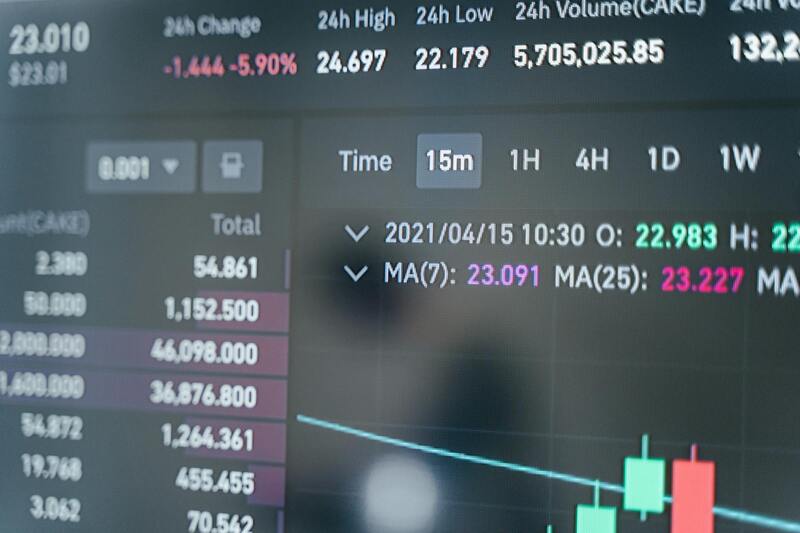
Typically, this process starts with a comprehensive review of the specific licensing requirements dictated by your jurisdiction and the nature of your trading activities. For example, in certain regions, firms engaging in securities trading might need to register with financial authorities, acquire broker-dealer licenses, or obtain investment advisor certifications. Each license issued involves a formal application process, detailed documentation, and often, a background check of principals involved in the firm.
Part of this process entails demonstrating your firm’s financial resilience, internal controls, and risk management procedures. Establishing clear policies for client confidentiality, transaction reporting, and anti-money laundering (AML) practices is critical. Many regulatory bodies also require firms to implement and maintain compliance programs that include ongoing staff training, internal audits, and record-keeping mechanisms.
Building solid relationships with industry regulators and participating in industry forums can facilitate a smoother licensing journey. These interactions not only clarify regulatory expectations but also keep your firm informed of updates affecting licensing procedures and compliance standards.
Key Steps for Licensing Success
- Conduct a thorough analysis of regional and industry-specific licensing requirements.
- Prepare comprehensive documentation, including business plans, financial statements, and risk management policies.
- Engage with regulatory agencies through consultations or pre-application meetings to clarify expectations.
- Implement requisite internal controls, AML protocols, and data security measures prior to application submission.
- Ensure ongoing compliance by maintaining detailed records and submitting required reports periodically.
Training and Certification of Key Personnel
Beyond just obtaining licenses for the firm, investing in the training and certification of your team enhances operational credibility. Personnel involved in trading, compliance, and risk management should hold recognized industry certifications. These credentials demonstrate a commitment to professionalism and help meet the quality standards of your licensing authorities.
Certifications such as the Financial Risk Manager (FRM), Chartered Market Technician (CMT), or Certified Regulatory Compliance Manager (CRCM) are valuable assets. They validate your team’s competency in areas critical for sustained success and regulatory adherence.
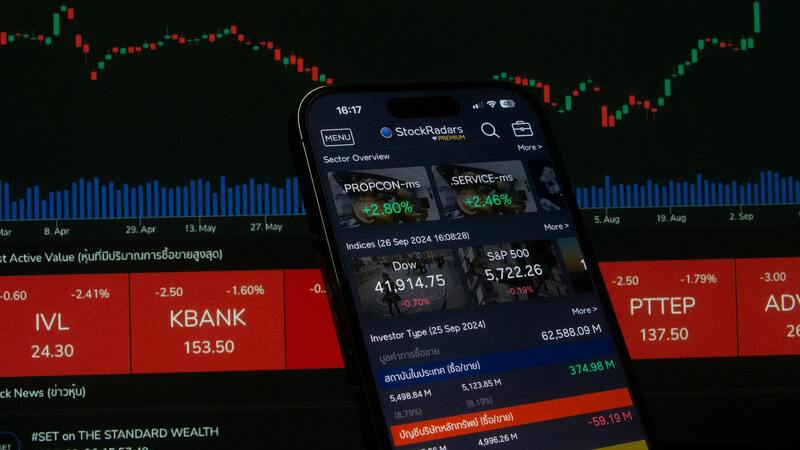
Tracking regulatory developments and updating certifications as industry standards evolve ensures your firm remains compliant and competitive. Regular training sessions and professional development initiatives help embed a culture of compliance and operational excellence that is vital in today’s dynamic trading environment.
Executing the Launch and Scaling of Your Prop Trading Firm
Once all foundational elements are in place, the next phase involves launching your proprietary trading firm with a focus on operational excellence and strategic growth. This stage requires diligent execution of your business plan, robust technological infrastructure, and adaptive strategies to navigate market conditions effectively.
Initial Operations and Market Entry
Begin by initiating live trading with a controlled scope, closely monitoring system performance and trader activity. Ensure that your compliance protocols are strictly followed from day one, including trade reporting, record keeping, and risk assessments. Establish clear communication channels among trading teams, risk managers, and administrative staff to facilitate smooth operations.
Deploy your trading technology platform optimized for speed, security, and data accuracy. Conduct regular system audits to prevent downtime and technical glitches that could impact trading performance. Leverage analytics and real-time dashboards to maintain oversight of trading activities, risk exposures, and capital utilization.
Scaling the Business
As your firm stabilizes its trading operations, consider expanding your capital base to increase trading volume and diversify strategies. This expansion often involves attracting additional investors or reinvesting profits. Strategic scalability includes expanding your team with experienced traders, analysts, and risk specialists who align with your firm’s objectives.
Implement advanced risk management systems that adapt dynamically to market changes, protecting your capital base as trading sizes grow. Developing proprietary trading algorithms and exploring new markets or asset classes can further enhance profitability and competitiveness.
Marketing and Reputation Building
Build credibility within the trading community by maintaining transparency, demonstrating consistent performance, and upholding rigorous compliance standards. Sharing insights through industry publications or participating in trading conferences increases visibility and positions your firm as a serious player in proprietary trading.
Utilize digital channels and industry networks to attract talented traders and potential investors. Establishing partnerships with trading technology providers and data analytics firms can also bolster your firm's capabilities and industry standing.
Continuous Improvement and Innovation
Maintain a culture of innovation by regularly reviewing and refining trading strategies based on market analysis and performance metrics. Invest in ongoing training for your team, emphasizing emerging technologies, regulatory updates, and new trading methodologies.
Monitoring industry trends and regulatory guidance assists in adapting your firm’s operations to changing market environments. Incorporating machine learning and artificial intelligence within your trading infrastructure can provide insights and predictive analytics that give you a competitive edge.
Constant evaluation of your risk management protocols and operational procedures ensures robustness and agility. This commitment to continuous improvement fosters resilience and positions your prop trading firm for sustainable growth within the complex landscape of financial markets.